
How to Dress Over 50 When Your Belly Is Bigger
If your belly is bigger than it used to be and suddenly nothing looks right, it’s not your imagination.
This is one of the most common things women say to me, and it usually comes with a sigh.
“I have clothes. I used to know how to dress. Why does everything feel…off now?”
Pants that once felt fine suddenly feel annoying by noon.
Tops cling, pull, or hang in a way that feels bulky.
Outfits that used to be easy now feel like work.
This isn’t about weight.
It’s about how clothes behave when your midsection changes, and most of us were never taught how to adjust for that.
Once you understand what’s actually happening, dressing gets a whole lot easier.
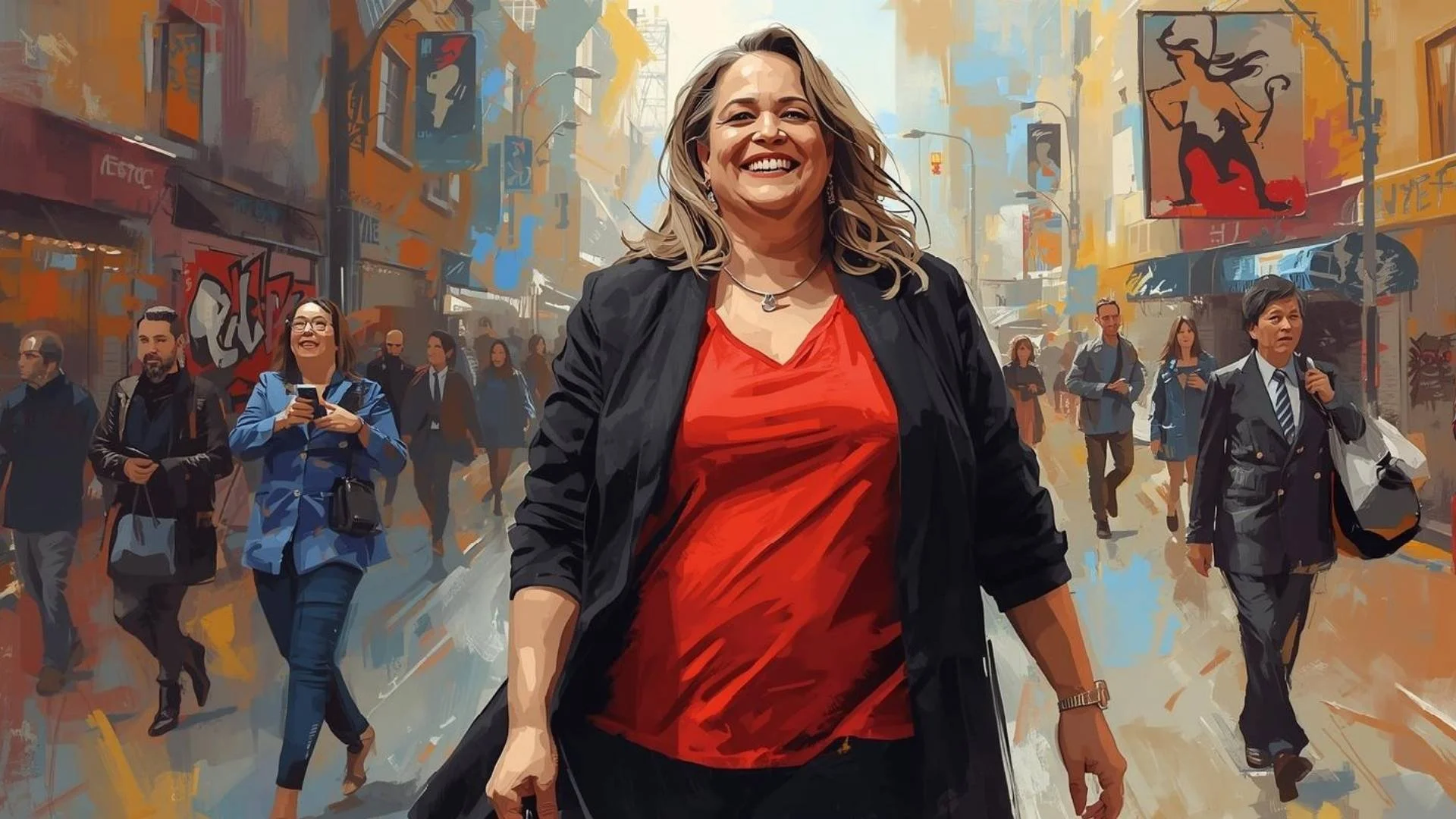
Why a changing midsection messes with your outfits
Here’s what I see all the time (and has happened to me).
When the belly changes, women instinctively try to protect that area. So they reach for longer, looser, softer clothes and think, If I just cover this part, I’ll feel better.
That usually turns into:
long tops
long cardigans
soft, drapey fabrics
slim pants underneath
closed shoes to “ground” it
It feels safe. Familiar. Logical.
And yet…the outfit looks heavier. Older, and let’s face it, frumpy.
That’s because when everything goes long and loose at once, the outfit loses structure. The eye doesn’t see balance; it sees one big area of visual weight right through the middle.
The irony is that trying to hide the belly often puts a spotlight on it.
What we’re actually trying to do instead
The goal here is not to “get rid of” your belly or pretend it isn’t there.
The goal is to stop building the outfit around it.
When an outfit has:
balance
clean lines
some structure
The belly becomes just one part of the whole picture, not the headline.
And that’s where most women feel relief.
The mistake I see women make over and over
They think looser automatically means more flattering.
So they end up in outfits with:
no clear shape
no intentional lines
fabrics that collapse the second they move
That’s when you get the “I look bigger than I am” feeling.
It’s not you.
It’s the outfit doing nothing to help you.
What actually works (and why)
1. Fabric will make or break the outfit
This one is huge, and it’s something I discuss frequently because it matters so much.
Thin, clingy knits and tired fabrics:
grab the stomach
ripple when you walk
show every movement
Even if the top is technically loose, the fabric still tells on you.
What works better:
knits with a bit of substance
fabrics that skim instead of cling
pieces that hold a clean line
You don’t need stiff or tailored.
You just need clothes that don’t give up halfway through the day.
If the fabric behaves, you look more put together — immediately.
2. Where your top hits is more important than how loose it is
This surprises people.
Very long tops don’t disguise the belly. They often frame it, especially when they hit mid-thigh.
Instead, look for:
tops that hit around the hip bone
a slight curve or shape at the hem
a subtle high-low that breaks the line
That small change gives the eye somewhere else to land and keeps the outfit from centering on the midsection.
And no, this doesn’t mean your stomach is “out.”
It means the outfit has proportion.
3. Pants need to support you, not fight you
If your midsection has changed, pants matter more than ever.
Look for:
a mid or higher rise that lies flat
waistbands that smooth instead of squeeze
straight, subtle flare, or relaxed legs
Be cautious with:
thick elastic waistbands that roll
very low rises that cut across the belly
skinny pants paired with long tops
That skinny-on-bottom, long-on-top combo exaggerates the middle because everything narrows underneath and widens above.
Balance is the fix, not compression.
4. Use structure where it helps, not everywhere
Structure is not the enemy.
In fact, a little structure in the right place makes outfits feel lighter, not heavier.
Instead of:
long, slouchy cardigans
heavy layers wrapped around the body
Try:
an open jacket or blazer
a structured layer worn unbuttoned
a third piece that creates vertical lines
Those vertical lines visually lengthen the body and break up the midsection without adding bulk.
This is one of the fastest ways to look polished without trying harder.
5. Stop letting your belly run the show
This is the part no one talks about, but it matters.
Your belly is one part of your body.
It does not get to make all the wardrobe decisions.
When you dress for balance instead of fear:
the outfit looks intentional
you stop fussing and adjusting
you feel more like yourself again
And that feeling always reads better than hiding.
A simple outfit structure that works for many women
Here’s a reliable formula I see work again and again:
a mid-rise straight or relaxed pant
a top that skims and hits near the hip
an open third piece for balance
a modern shoe to finish the look
This isn’t a uniform. It’s a structure.
Once you have the structure, the pieces can change.
One last thing
If you’ve been dressing the same way for years because your body changed and you felt boxed in, you’re allowed to update how you dress now.
You’re not giving up.
You’re adjusting.
Clothes are supposed to support your life, not make you feel like you’re doing something wrong every morning.
Related Post: How to Balance Your Outfit When Your Top Half Changes First
What changes will you make to your outfits? Let me know in the comments.
Stay gorgeous!
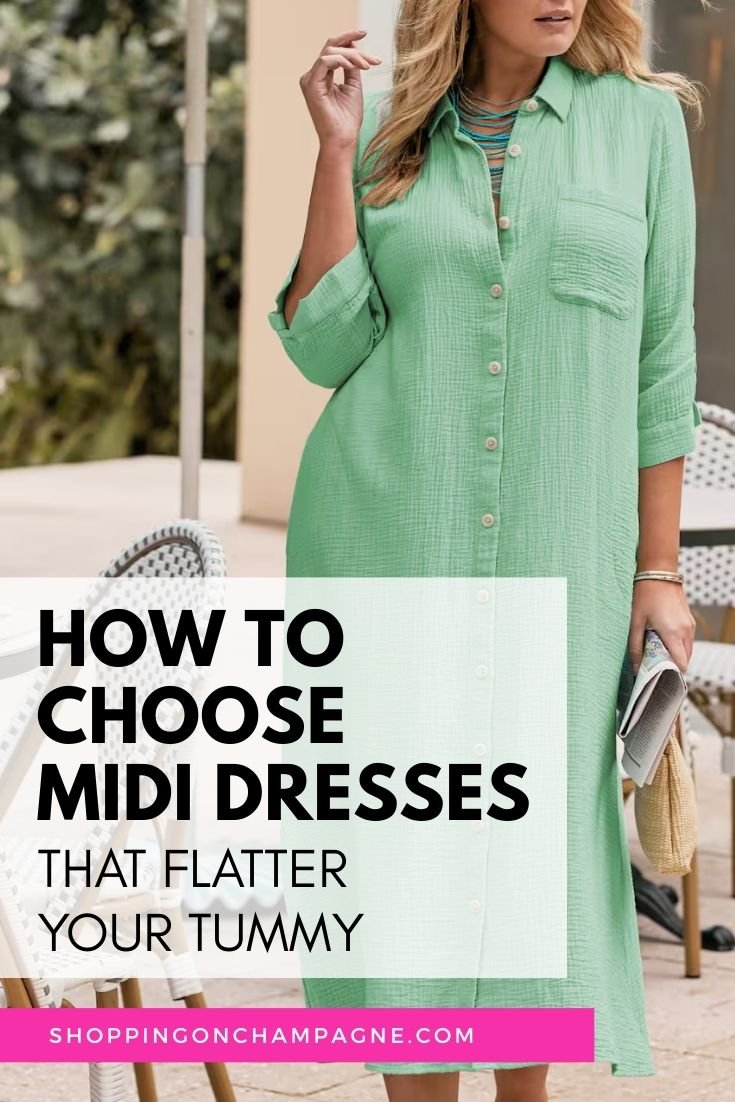
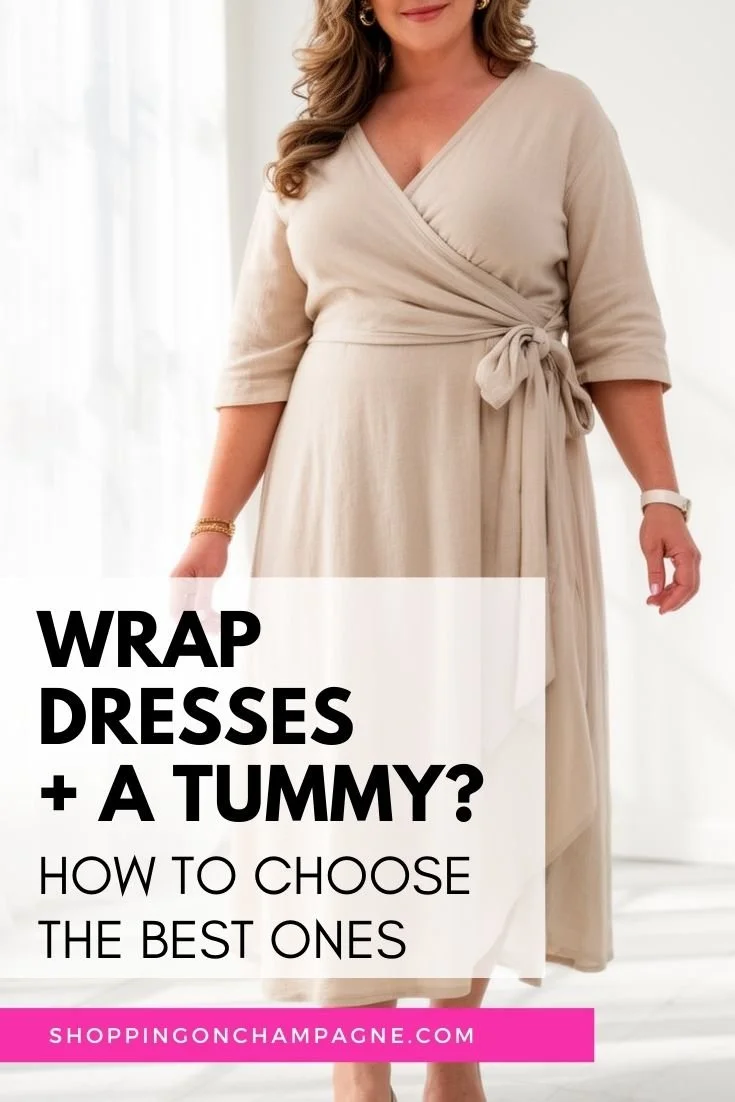

Looking for a comfortable dress that doesn’t cling? Discover the best shift dresses for women over 50, plus my favorite styles for everyday wear, travel, vacations, and dressier occasions.