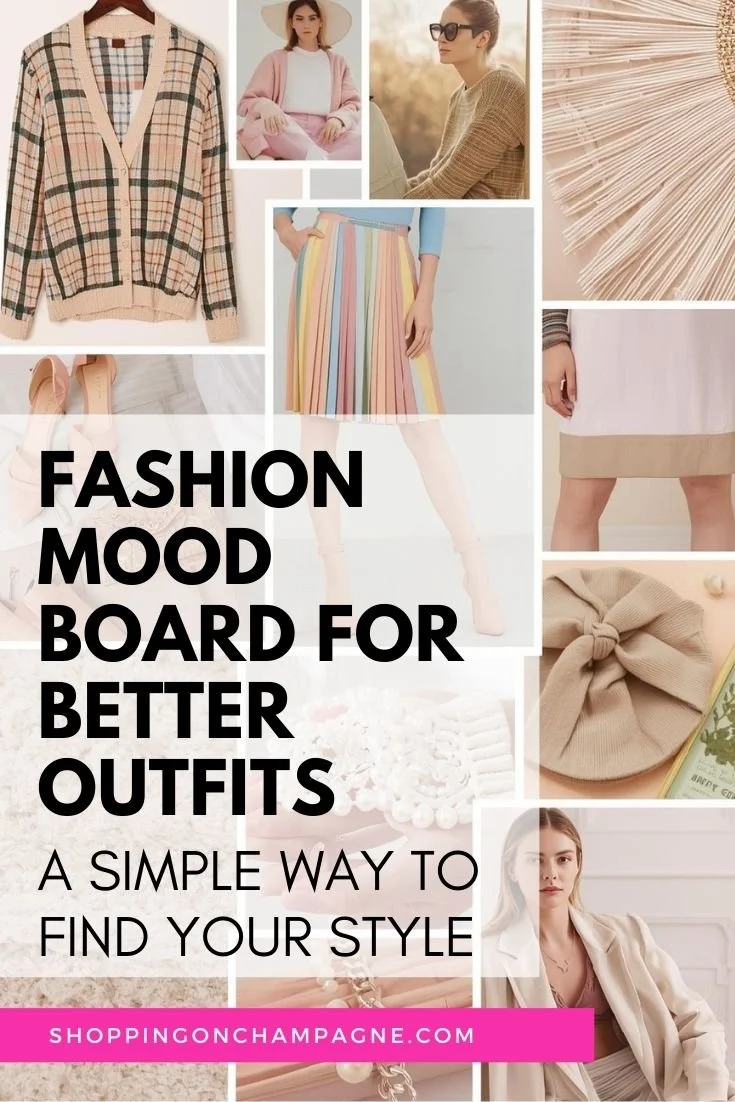
How to Create a Fashion Mood Board
(And Why It Actually Helps)
If you’ve ever stood in front of your closet thinking, “I have clothes, but none of this feels like me anymore,” this post is for you.
A fashion mood board isn’t about trends, fantasy outfits, or turning style into an arts-and-crafts project. It’s one of the simplest tools you can use to reconnect with your taste, stop panic shopping, and start building a wardrobe that actually works together.
When style feels confusing, it’s usually not because you don’t know how to dress. It’s because you’ve lost a clear point of view. A mood board helps you get that back, visually, calmly, and without pressure.
Let’s talk about what a fashion mood board really is, why it works so well for women over 50, and how to create one that helps you get dressed, not just collect pretty pictures.
What a Fashion Mood Board Really Is
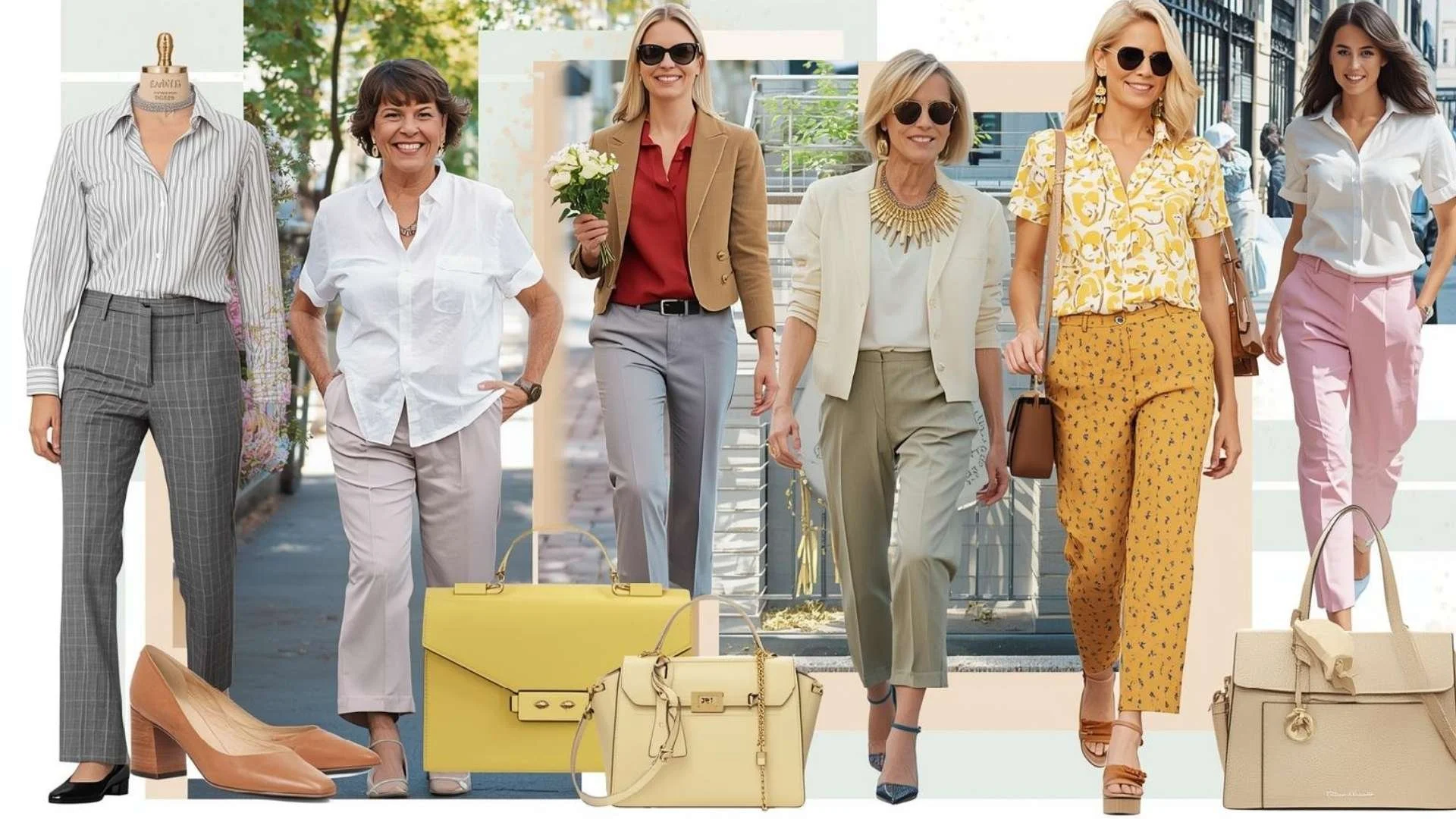
A fashion mood board is a visual filter.
It’s a collection of images that reflect what you’re drawn to now, not who you used to dress for or who you think you should be. Designers use mood boards to plan collections. Stylists use them to pull cohesive looks. You can use one to understand your style patterns and make better decisions with the clothes you already own.
A useful mood board includes:
Outfit photos you’re repeatedly drawn to
Colors that keep showing up in your saves
Silhouettes you admire and would realistically wear
Fabrics, textures, or details you respond to
An overall mood or energy you want your clothes to reflect
The goal isn’t perfection. The goal is recognition. When you look at your board, you should think, “Oh. That makes sense.”
Why This Helps So Much When Style Feels Off
Most closets don’t stop working because women suddenly lose their sense of style. They stop working because decisions become scattered.
You buy things that are “nice” but don’t connect. You save inspiration without knowing why you like it. You keep pieces from old seasons of life. Eventually, your closet looks full but doesn’t function.
A mood board helps because it:
Gives you a clear visual direction instead of vague ideas
Stops impulse shopping by giving you something to check against
Helps you see patterns in what you actually love
Makes outfit-building easier because pieces start to relate to each other
Instead of guessing, you’re seeing your taste in one place.
If you love the idea of getting clear visually, but you also want the step-by-step system for what to do next, that’s exactly why I created The Style Refresh Blueprint. The mood board helps you see your direction.
The Blueprint helps you turn that direction into a closet that actually functions, with a simple process for what to keep, what to fix, what to let go of, and how to build outfits that feel like you again.
Important Clarification (This Matters)
This is not a fantasy board.
If you save outfits you’d never wear, you’re not helping yourself. This is not about runway looks, aspirational lifestyles, or dressing for a version of yourself that rarely shows up.
This is a real-life style filter.
Every image you save should pass one simple test:
Could I realistically wear this, or something very close to it, in my actual life?
If the answer is no, skip it. Pretty but impractical images create confusion, not clarity.
How to Create a Fashion Mood Board (The Simple Way)
You don’t need a perfect system. You just need a process.
Step 1: Set a Simple Intention
Ask yourself one question:
What am I trying to figure out right now?
Good intentions include:
Refresh my everyday style
Find my color direction
Define my current style vibe
Build outfits that feel more pulled together
Pick one. That’s enough.
Step 2: Collect Fast and Loose
Save anything that makes you pause. Outfits, shoes, layers, even interiors or landscapes, if they reflect a feeling you love. Don’t edit yet. You’re gathering clues.
Step 3: Let Patterns Appear
After you’ve saved a decent amount, look through and ask:
What keeps repeating?
Are there common silhouettes?
Do certain colors dominate?
Does the vibe feel relaxed, polished, modern, feminine, structured?
This is where your real style starts showing itself.
Step 4: Edit Down
Pull your strongest 20–40 images into one place. If something doesn’t support the overall direction, let it go. A focused board is far more helpful than a crowded one.
Where to Create Your Mood Board
Digital boards are the easiest and most flexible.
Good options:
Pinterest – Create a private board so you can save freely without judgment
Canva – Great for a clean, one-page board you can save on your phone
Milanote – More collage-style, creative layout
Google Slides or PowerPoint – Simple and effective
Choose what feels easiest. The tool doesn’t matter. The intention does.
How a Mood Board Actually Helps You Get Dressed
This is the part most people miss.
A mood board is not just for inspiration. It’s meant to be used.
Here’s how it shows up in real life:
When you’re building outfit formulas, your board shows you the shapes and proportions that appeal to you
When you’re shopping, it helps you say no to pieces that don’t fit your direction
When you’re stuck repeating the same outfits, it gives you ideas without starting from scratch
When your closet feels scattered, it becomes a visual reset
Before buying anything new, ask:
Does this fit my colors?
Does this match the silhouettes on my board?
Can I picture this working with outfits I already wear?
If not, it’s probably not a “you” piece, even if it’s cute.
A Few Tips So Your Mood Board Actually Helps
Choose images you can realistically imagine wearing
Look for common threads, not one-off outfits
Add a few words to describe the vibe (polished, relaxed, modern classic, etc.)
Keep the board tight and intentional
Revisit it when you feel bored or tempted to impulse shop
This isn’t a one-time exercise. It’s a tool you can return to anytime your style feels fuzzy.
Final Thoughts
A fashion mood board isn’t about reinventing yourself. It’s about remembering who you are now.
It helps you trust your taste again. It quiets the noise. It gives you something solid to come back to when getting dressed starts to feel annoying instead of fun.
You don’t need to commit to a whole new wardrobe. You just need a clearer direction.
Start small. Save what you love. Let patterns show you the way.
If you’re ready to take this beyond inspiration and actually reset your wardrobe with a clear plan, The Style Refresh Blueprint walks you through the full system, step by step. It’s designed to make getting dressed easier, not turn style into homework.
Let me know what kind of mood you want your style to have right now.
Stay gorgeous!