
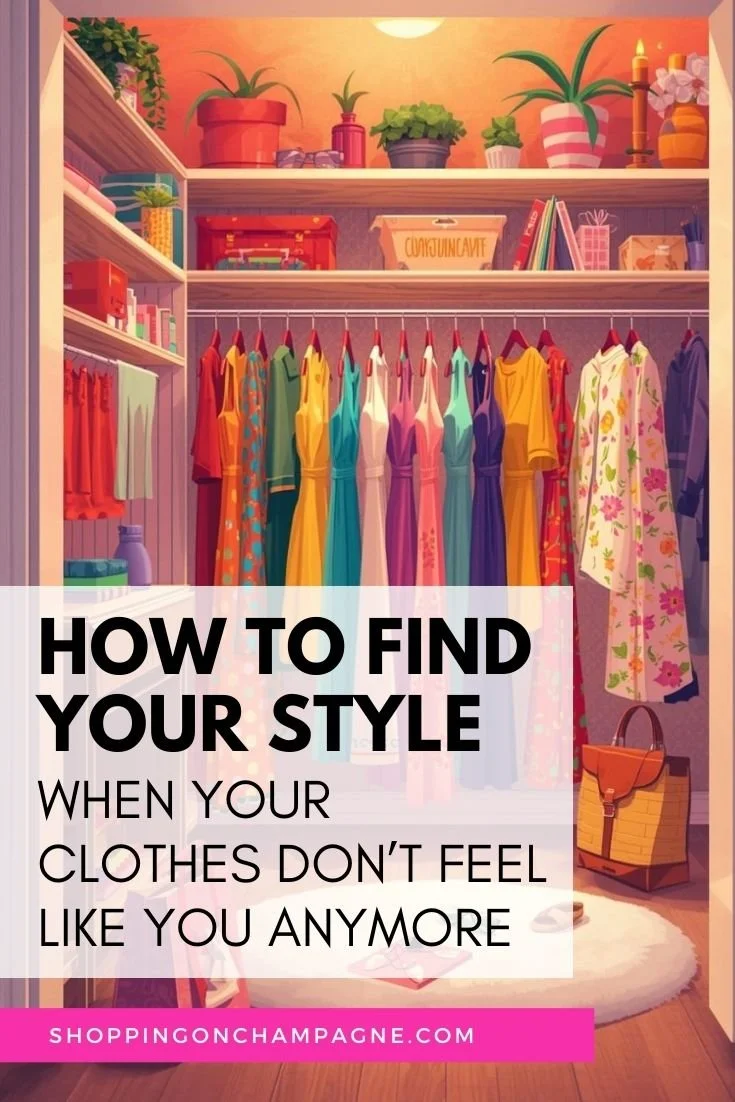
How to Find Your Style When Your Clothes Don’t Feel Like You Anymore
If you open your closet and feel disconnected from it, not overwhelmed exactly, just…unmoved, you’re not alone.
This usually shows up as standing there longer than you used to, trying things on and taking them off, or defaulting to the same few pieces because nothing else feels right.
This isn’t a confidence problem. It’s not that you suddenly forgot how to dress. And it’s definitely not that your style disappeared.
What’s actually happening is that your clothes are still speaking for an older version of you.

Why this happens (even if nothing “big” changed)
Most style disconnects don’t come from one dramatic moment. They come from small shifts stacking up.
Your body might have changed slightly.
Your lifestyle might look different.
Your priorities might feel quieter or more grounded.
You might want ease now where you once wanted polish, or polish where you once wanted trend.
But your closet? It hasn’t caught up.
When your clothes no longer reflect how you live or how you want to feel, every outfit starts to feel like a compromise. Not terrible, just not you.
That’s the root of the discomfort.
The mistake most women make at this poinT
When this happens, the instinct is usually to look outward.
New trends.
New inspiration.
New shopping.
But when you’re disconnected from your own style, adding more clothes just adds more noise. You end up with pieces that are “nice” but still don’t click, and the gap between you and your wardrobe gets wider.
Style doesn’t come back through accumulation.
It comes back through alignment.
Start by noticing what feels wrong, not what you “need”
Before trying to define your style, pay attention to what’s not working. This is much easier and far more honest.
As you get dressed over a few days, notice:
Which pieces do you avoid unless you have no other option
What you keep adjusting throughout the day
What feels fine on a hanger but off once it’s on your body
These reactions aren’t random. They’re feedback.
For example:
If everything feels heavy, you’re probably wearing too much fabric or too much volume.
If outfits feel fussy, you may be layering for decoration instead of function.
If nothing feels current, your silhouettes may be stuck in an old proportion loop.
You don’t need to name your style yet. You just need to listen to what your body and brain are already telling you.
Related Post: How to Feel Put-Together When Nothing Fits Like It Used To
Separate your “past style” from your current life
This part is emotional, even if it doesn’t look dramatic.
Most closets hold clothing for past roles:
Work versions of you.
Event versions of you.
Social versions of you that don’t really show up anymore.
Keeping those clothes doesn’t mean you’re wrong. But trying to dress today using yesterday’s roles creates friction every single morning.
Ask yourself, honestly:
What does a normal week look like now?
What do I actually need to feel comfortable and pulled together in that life?
Style works best when it supports your real rhythm, not a version of life you’re no longer living.
Use outfits you do like as clues, not templates
If there are a few outfits you consistently reach for, don’t dismiss them as boring. They’re information.
Instead of asking, “Why do I always wear this?”
Ask:
What does this outfit give me?
Is it ease?
Structure?
Coverage?
Lightness?
A sense of calm?
Those benefits matter more than the exact pieces. Once you know why something works, you can recreate that feeling in different ways instead of repeating the same look forever.
This is how style expands without becoming chaotic.
Related Post: How to Find Your Style After 50
Rebuild style through systems, not personality labels
Trying to label your style too early can backfire. Words like “classic,” “casual,” or “modern” are vague unless they’re tied to how clothes actually function on your body and in your life.
A better place to start is structure:
What silhouettes feel best?
What proportions make you feel balanced?
What fabrics feel comfortable all day?
What level of polish feels natural now?
When you answer those questions, your style reveals itself naturally. You don’t force it. You recognize it.
Give yourself permission to evolve without erasing yourself
One of the quiet fears many women have is that finding a new style means losing who they were.
It doesn’t.
Your style isn’t gone. It’s just asking to be updated so it fits who you are now.
You’re allowed to want ease.
You’re allowed to want softness.
You’re allowed to want things to feel simpler.
Style should feel supportive, not like a performance you have to keep up.
Related Post: How to Change Your Style Without Replacing Your Entire Wardrobe
What to do next, practically
Don’t overhaul everything. Don’t start from scratch.
Start with three small steps:
Identify the outfits that feel most like you right now and write down why.
Notice the pieces you avoid and what they have in common.
Build future outfits using what works structurally, not what looks good on someone else.
That’s how you reconnect with your style quietly and confidently, without chasing trends or reinventing yourself.
Your clothes don’t need to impress anyone.
They just need to feel like home again.
Want help with this?
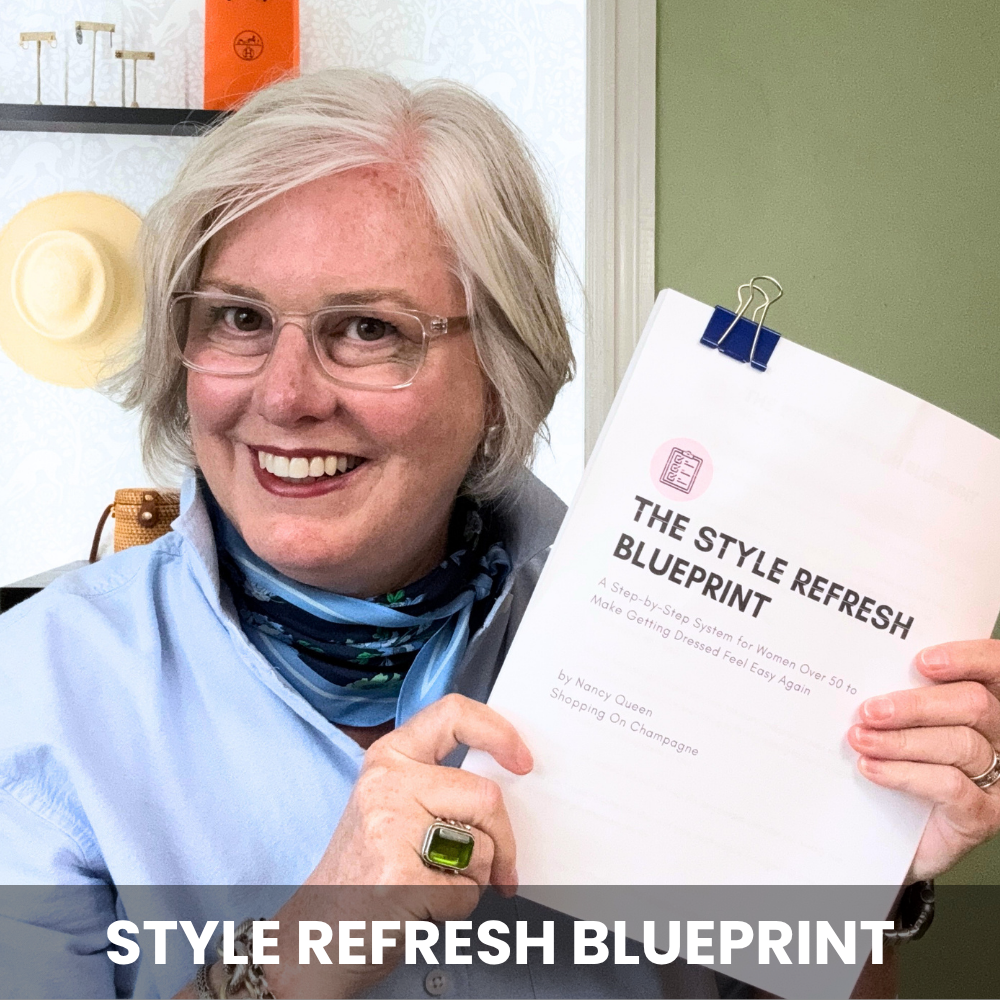
If you are ready to stop guessing and start making real progress, I have tools that will walk you through every step of this journey. Whether you are just getting started, ready to build a wardrobe that truly works for your life, or want a fully personalized experience, I have something for you at every level.
You can find all of them linked below.👇


You have a closet full of clothes and still nothing to wear.
You're holding onto pieces that don't fit, don't flatter, and honestly don't even feel like you anymore. Some still have the tags on. Some belong to a job, a body, or a chapter you've already closed.
👉🏻 You're not alone, and you don't need a total overhaul to feel better about getting dressed.
The Closet Detox is your step-by-step reset. Work through every item with 18 honest questions, a decision guide for the hard ones, and a clear action plan for what comes next.
💌 What's Inside:
✅ 18 questions to ask about every single item in your closet with honest, practical guidance on what to do with each answer
✅ A decision guide for the six hardest pieces to let go of
✅ A What Comes Next action plan - three things to do before you bring in a single new thing, so you never end up back where you started
✅ Live links to the Style Refresh Blueprint and the Champagne Edit - two ways to keep the momentum going
👗 This is for you if...
You have a full closet, but nothing to wear
You've been holding onto things out of guilt, sentiment, or "just in case."
You're done dressing for a body, a job, or a life you no longer have
You're ready to open your closet and actually feel good about what's in there
💡 Why It Works:
Every question is designed to cut through the noise and help you make a clear, confident decision about every single item without second-guessing yourself the whole way through.
Your closet should feel like you. This is where that starts.
This is a digital download. You will receive a PDF immediately after purchase.