
What to Wear When You Want to Look Expensive Without Trying
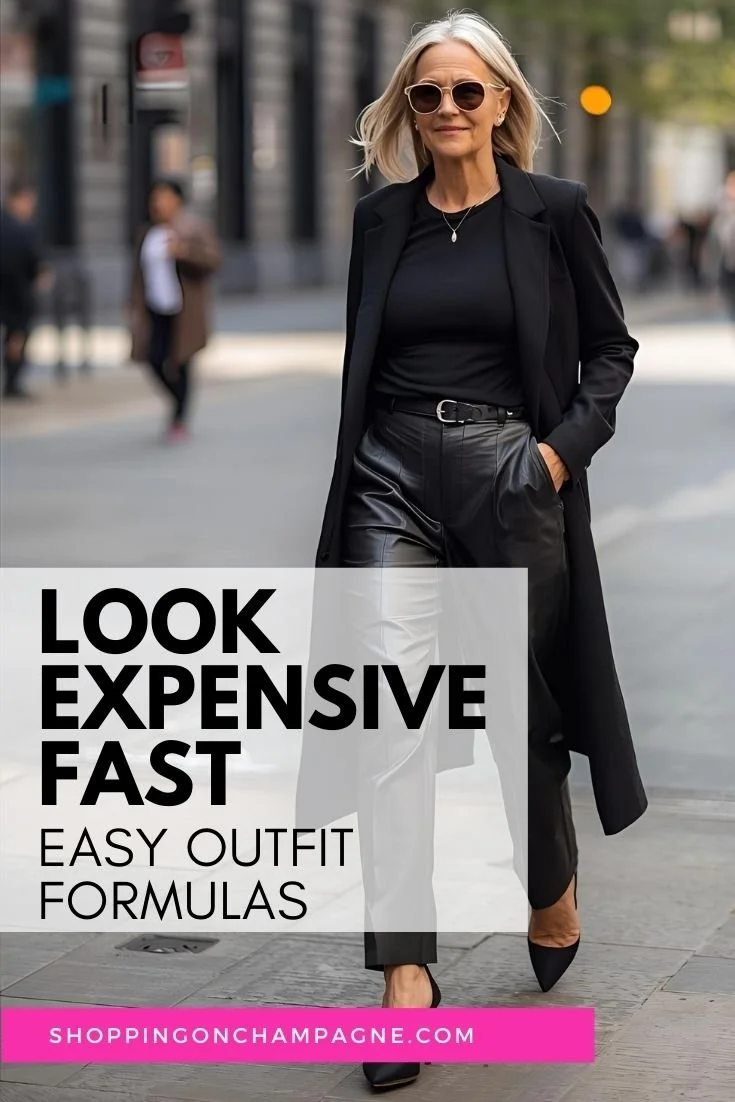
Looking expensive is not about spending a lot. It’s about looking intentional. It’s about clean lines, good proportions, and outfits that don’t feel like they’re working too hard.
Because here’s the truth. You can wear a designer sweater and still look a little…meh, if the outfit is fighting you. And you can wear a basic $30 top and look polished and elevated if the styling is right.
So if you want outfits that feel modern, confident, and “expensive” without needing a shopping spree, these are the formulas that get you there.
No trends required. No head-to-toe beige cosplay either. Just real outfits that work.
Let’s dive in!
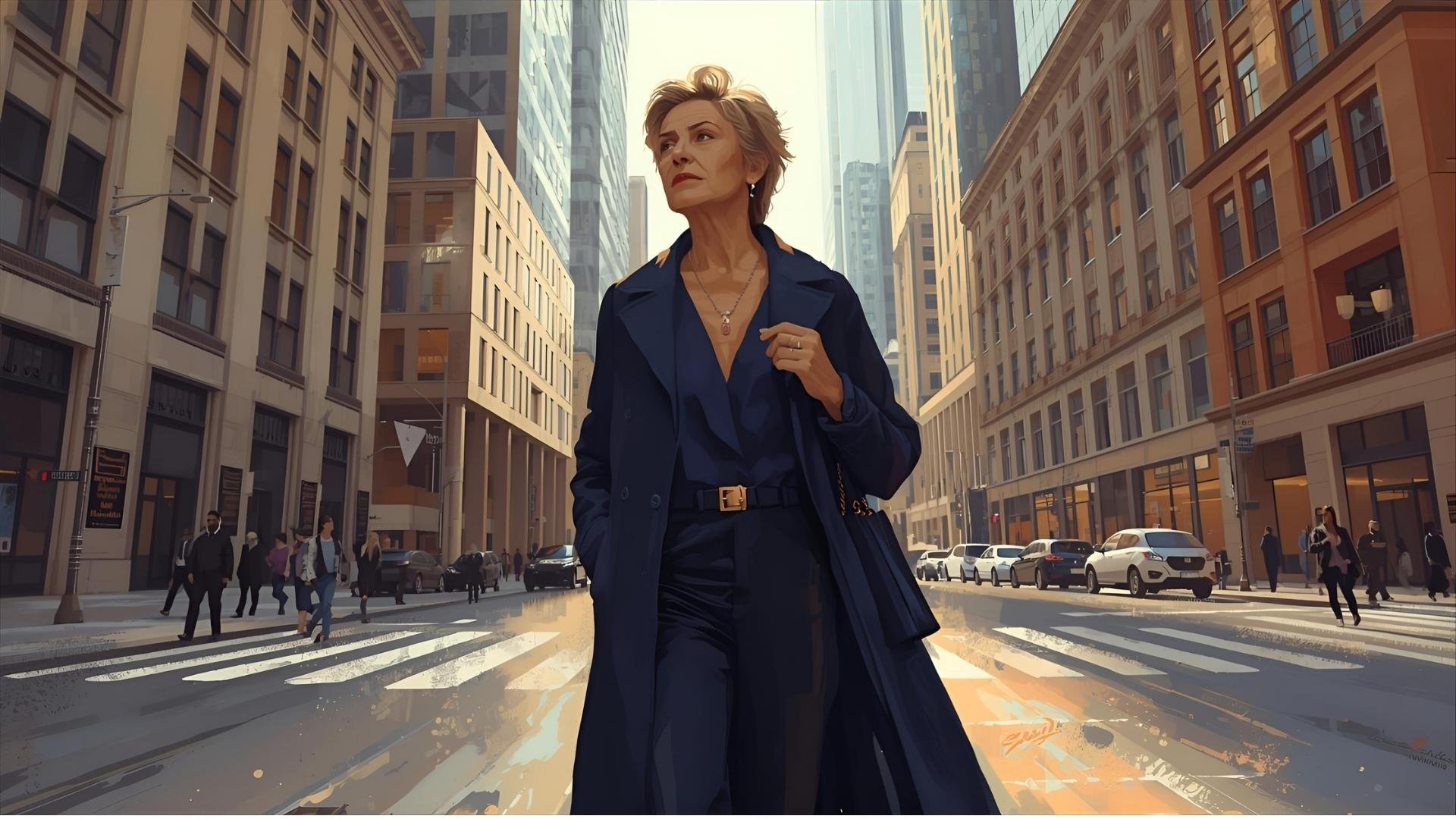
1. Tonal Dressing With Slight Contrast
This is the easiest expensive trick in the book. One color family, different tones.
Cream with camel. Black with charcoal. Navy with denim. Soft gray with deeper gray. Same family, slight shift.
Why it works is simple. Your eye moves smoothly from top to bottom, so the outfit feels calm and elevated. Loud color blocking can be fun, but tonal dressing is the quiet luxury of getting dressed.
And no, this does not mean you need matching sets that look like you’re headed to an office you retired from in 2014. You want tone-on-tone, not matchy-matchy.
2. Straight-Leg Denim + Polished Top + Clean Shoe
Expensive outfits usually have one strong base and clean finishes. Straight-leg jeans are a modern base that reads current instantly.
Pair them with a polished top, something with a little structure or drape. A crisp blouse. A smooth knit. Satin if you like it. Then add a clean shoe, sleek sneaker, loafer, modern ankle boot, or minimal sandal.
This outfit works because it’s simple, modern, and finished. Nothing is screaming for attention. Everything is working together.
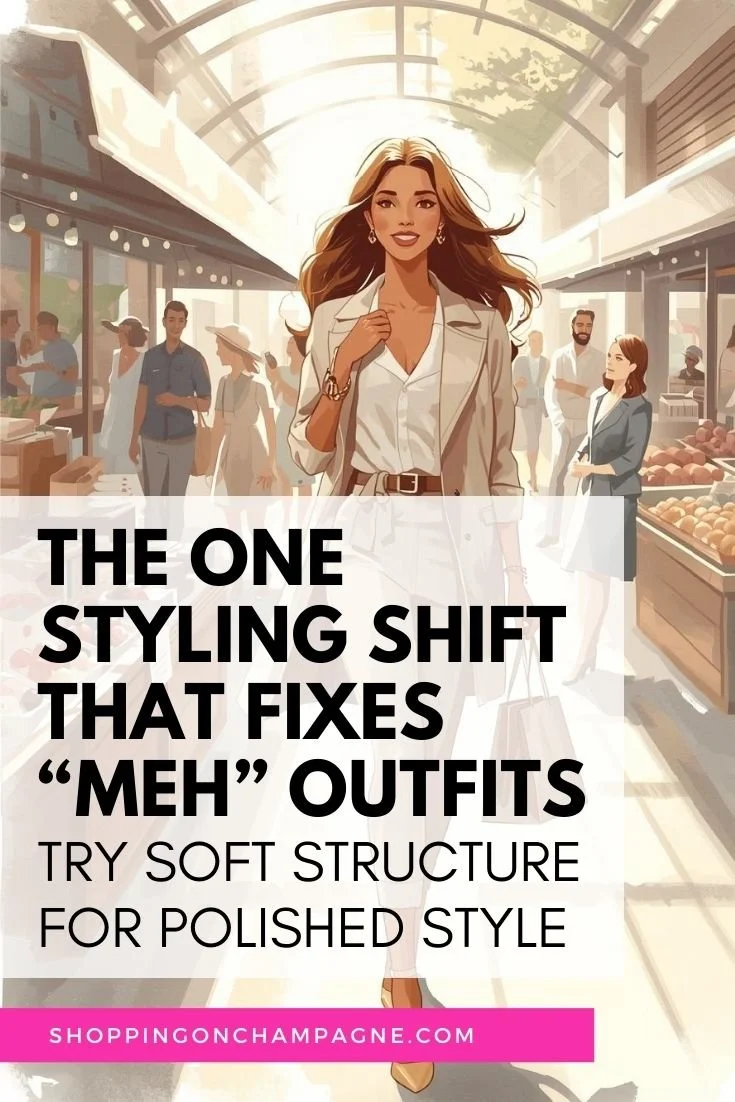
3. One Structured Piece Over a Simple Base
Structure is expensive. Period.
Take the simplest base you own, jeans and a tee, trousers and a knit, dress and flats. Then add one structured piece.
A blazer. A clean coat. A cropped jacket with shape. Even a cardigan that holds a line instead of drooping like it’s tired of your life.
That one structured layer makes your entire outfit look intentional. It’s the difference between “I threw this on” and “I’m put together.”
4. The “Clean Top, Clean Bottom” Proportion
Expensive outfits usually don’t fight themselves.
If your pants are wide, your top is streamlined. If your top is oversized, your bottom is cleaner. If your top is long, your pant needs a straighter line. Balance always reads elevated.
This is why head-to-toe volume or head-to-toe cling rarely looks expensive. It looks like your outfit is confused.
Pick one area to be relaxed. Let the other be cleaner. Done.
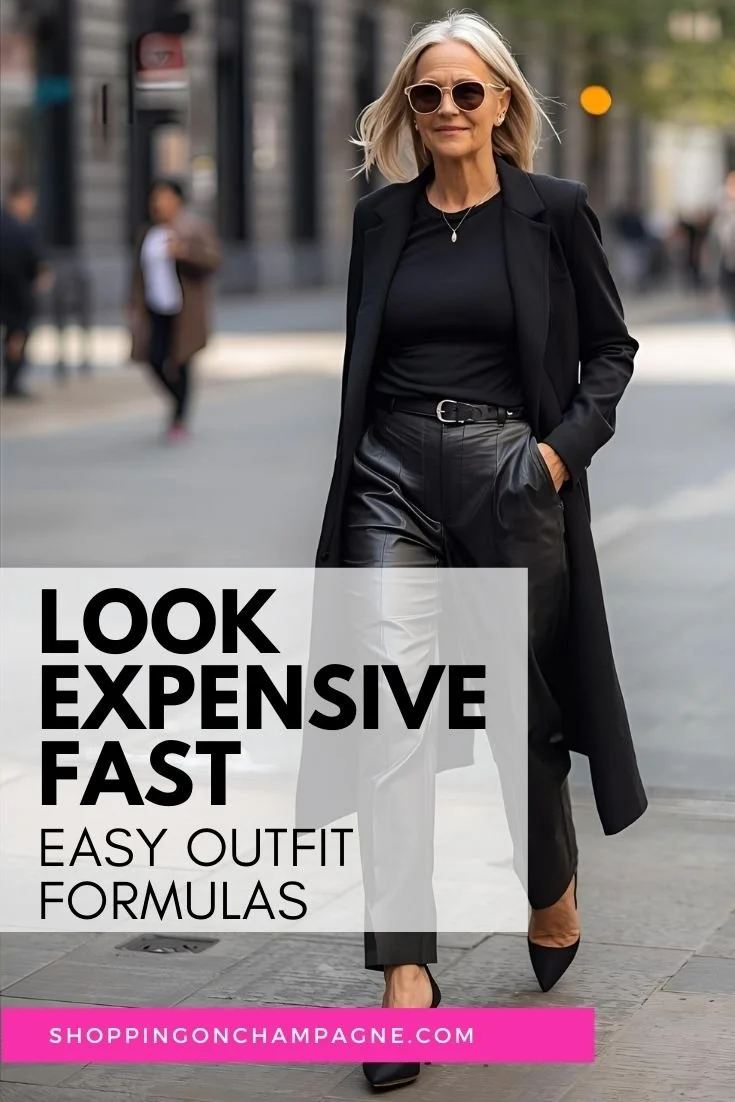
5. Monochrome, But With Texture
Monochrome can look insanely expensive, or it can look like a boring uniform. The difference is in texture.
Black knit with black denim. Cream sweater with camel trousers. Navy blouse with denim jeans. Same family, different materials.
Texture creates depth. Depth creates richness. Richness reads expensive.
If everything is the same tone and the same fabric, the outfit goes flat. If you mix textures, it comes alive.
6. Updated Shoes Make Everything Look Better
Shoes quietly decide the decade of your outfit. And if your shoes are dated, the outfit will follow them right into the past.
You don’t need trendy shoes. You need updated classics.
Sleeker loafers. Cleaner sneakers. Modern ankle boots. Minimal sandals. The kind of shoes that don’t interrupt the outfit with a clunky line.
When your shoes look current, your whole outfit looks current. That’s expensive.
7. Fewer Accessories, Better Accessories
Expensive outfits don’t look busy. They look edited.
Pick one hero accessory. Great earrings. A beautiful bag. One strong necklace. Then stop. Don’t keep piling on “extras” until the outfit feels like it’s wearing you.
One intentional accessory reads refined. Five accessories reads nervous.
And nobody wants to look nervous.
8. Fabric That Has Life
This matters more than people realize. Thin, clingy, tired fabric makes even a nice outfit look cheap.
If a knit grabs every line or a blouse droops by noon, it doesn’t matter how pretty it is. The outfit loses polish fast.
You want fabric with a little body. Not stiff. Just alive. Fabric that holds a clean line and doesn’t collapse.
Because if the fabric looks alive, you look alive.
9. The “One Pop” Rule
Expensive outfits are usually simple with one interesting note.
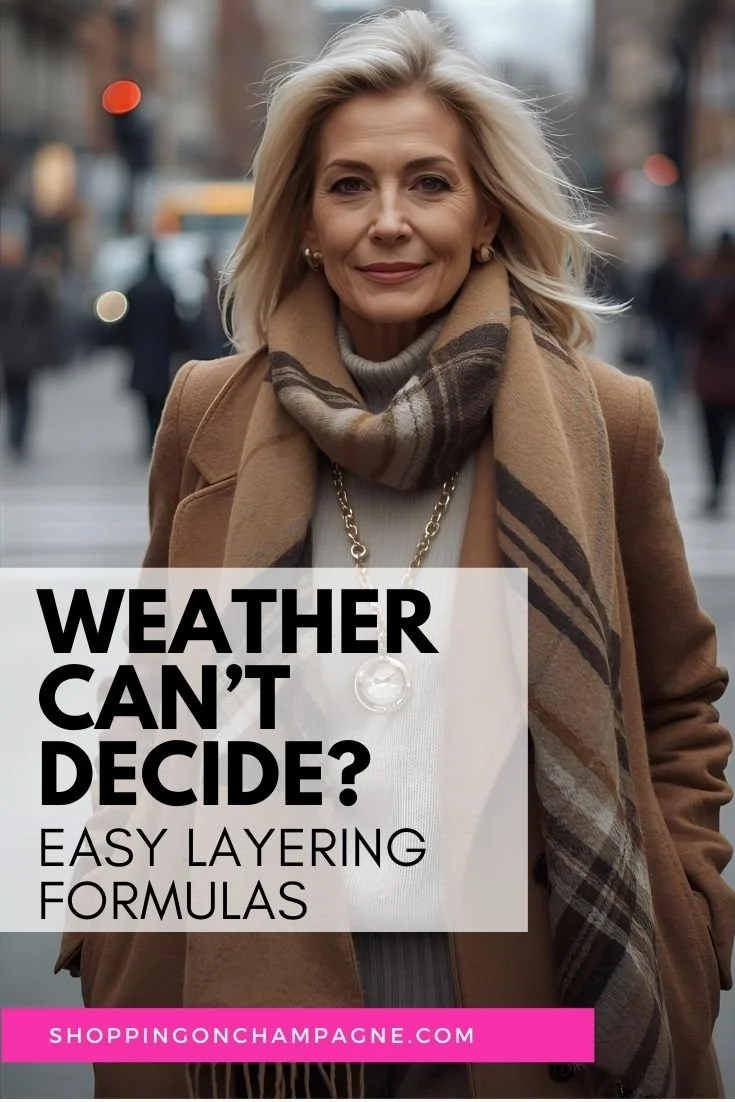
A tonal neutral outfit with one bold shoe. A clean base with a great scarf. Black and camel with one pop of color. One.
The pop gives the outfit personality. But because it’s only one, it looks intentional instead of chaotic.
You want an outfit that feels confident, not an outfit that feels like it’s trying to entertain everyone at the restaurant.
10. The “Nothing Too Perfect” Trick
Here’s the final truth. Over-perfect outfits can look dated and stiff.
Too matched. Too coordinated. Too planned. That’s not expensive, that’s a costume.
Expensive style has ease. One relaxed piece. One slightly undone element. One thing that makes the outfit feel real, not staged.
Like a half tuck instead of a full tuck. A blazer over a tee. A sneaker with a dress. A slightly different tone in monochrome.
That whisper of ease is what makes the outfit look modern and elevated.
The fastest expensive outfit formula to remember
If you want the simplest shortcut, use this:
Start with a clean, modern base.
Add one structured or luxe-feeling piece.
Keep shoes current.
Edit everything else.
That’s it. That’s the expensive look.
Looking expensive is really about looking like yourself
It’s not about pretending you live a different life than you do. It’s about dressing with intention, balance, and ease. The “expensive” look is the look where everything feels calm, confident, and current.
Tell me which of these ideas you want to try first: tonal dressing, updated shoes, or the one structured piece trick. Let me know in the comments, you know I love hearing from you. Stay gorgeous!

How to Dress for the Hamptons