
How to Look Polished When Your Midsection Changed
If you’ve ever stood in front of your closet thinking, “Why do I suddenly feel frumpy in everything?” you’re not imagining it.
And no, it’s not because you “let yourself go.”
It’s not because you don’t know how to dress anymore.
And it’s definitely not because you need to hide more.
What’s really happening is simple: your midsection changed, but the way you’re dressing didn’t change with it.
That mismatch is what makes outfits feel off.
The good news? You don’t need to start over. You just need to stop fighting your clothes.
Let’s talk about how to look polished again without squeezing, sucking, or covering yourself in layers.
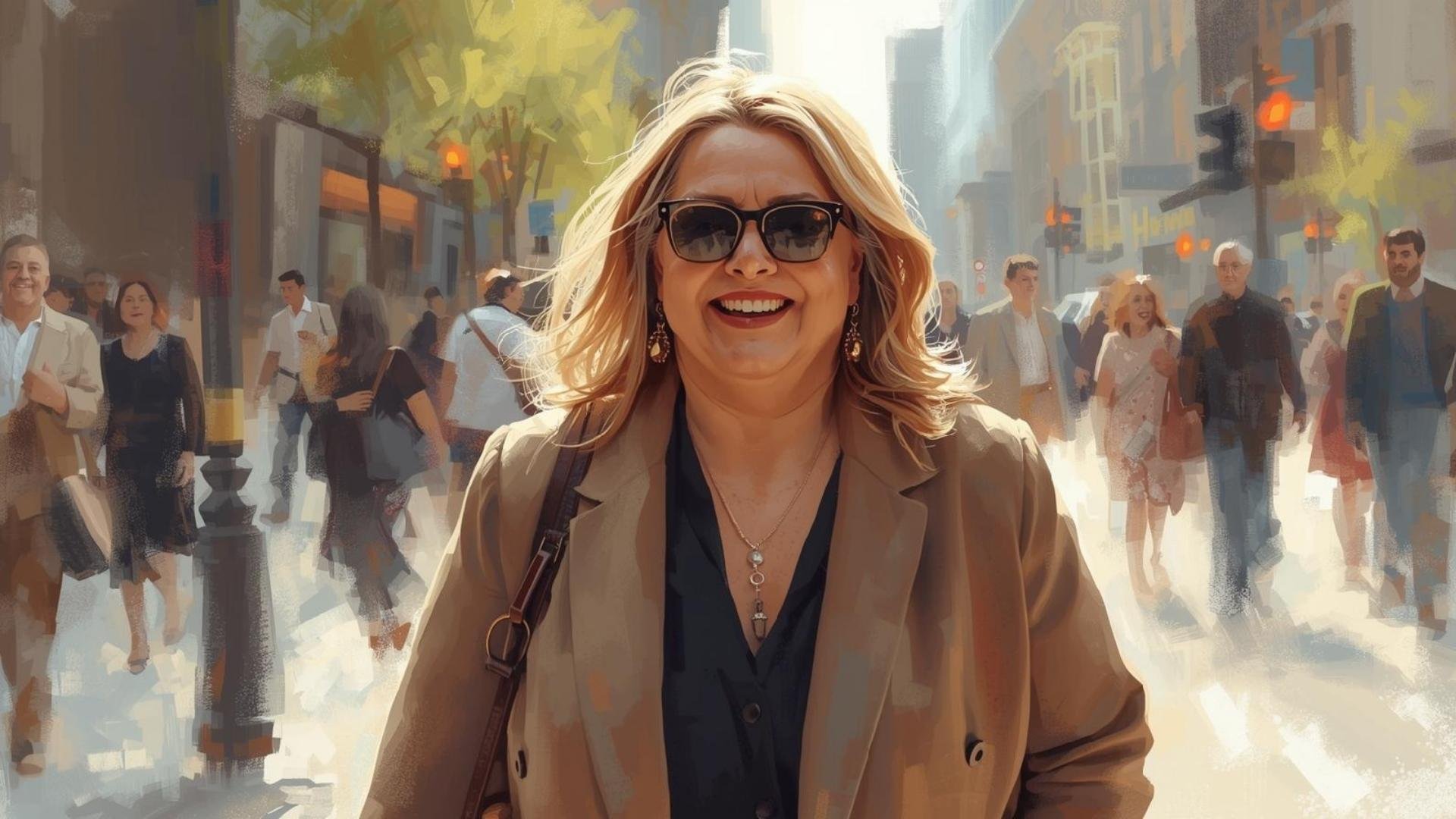
First, let’s clear this up: this is not a body problem
Bodies change. Hormones change. Life changes.
That’s normal.
What causes frustration is when you keep wearing silhouettes that were designed for a different body stage. Clothes that once felt easy suddenly cling, pull, or sit in the wrong place, and instead of blaming the garment, we blame ourselves.
That’s backwards.
Polish doesn’t come from hiding your midsection.
It comes from balance, structure, and intention.
Stop trying to “hide” the middle
This is where most of us go wrong, and I have made ALL of these mistakes.
When the midsection changes, the instinct is to:
Go longer
Go looser
Add layers
Cover everything
The problem is, long + loose + layered everywhere creates visual weight, not polish.
You don’t look streamlined.
You look buried.
Polished outfits don’t hide the middle. They redirect the eye.
Related Post: The 5 Proportion Fixes that Make Clothes Flatter You Instantly
The real goal: create a clean line
Looking polished is about the overall line of the outfit, not one body part.
Here’s what helps immediately:
If the top is relaxed, keep the bottom cleaner.
If the bottom is fuller, keep the top more intentional.
If everything is soft, add one structured element.
Structure doesn’t mean stiff or uncomfortable.
It just means the clothes hold their shape instead of collapsing onto the body.
That one shift alone makes outfits feel calmer and more put-together.
Pay attention to where your tops hit
This matters more than most people realize.
Tops that hit right at the widest part of the midsection tend to draw attention exactly where you don’t want it.
Instead, look for tops that:
Hit slightly above the hipbone, or
Hit a bit lower and skim, not cling
And no, this does not mean everything needs to be tunic length. In fact, overly long tops often make the torso look longer and heavier.
A clean hemline in the right place is far more flattering than extra fabric.
Choose fabrics that work with your body, not against it
This is a big one, especially now.
Thin, clingy fabrics tend to grab the midsection and show every line. That doesn’t mean your body is wrong. It means the fabric is doing you no favors.
Look for:
Knits with a bit of body
Wovens that skim instead of stretch and cling
Fabrics that hold a clean line when you move
If the fabric looks alive on the hanger, it will usually look better on the body.
Use layering strategically, not defensively
Layers can be great when they’re intentional.
A structured jacket, a slightly tailored cardigan, or an open layer that creates vertical lines can all help an outfit feel polished.
What doesn’t help is piling on soft, drapey layers everywhere “just to be safe.”
One good layer is better than three nervous ones.
Don’t underestimate the power of shoes
Shoes matter more than most people think.
If the outfit feels off, dated, or frumpy, the shoe is often the culprit. A cleaner, more modern shoe instantly lifts the entire look, even if nothing else changes.
You don’t need trendy shoes.
You need updated classics that don’t visually drag the outfit down.
The biggest shift: stop dressing defensively
When your midsection changes, it’s easy to start dressing from a place of fear. Fear of cling, fear of lumps, fear of judgment.
Polish comes back when you stop dressing against your body and start dressing with it.
That means:
Choosing balance over hiding
Choosing structure over slouch
Choosing intention over autopilot
You’re not trying to look like your old body.
You’re dressing the body you have now, with respect.
Related Post: What to Wear When You Feel Frumpy: 10 Easy Outfit Formulas to Wear Instead
One final reminder
If your clothes aren’t working, that doesn’t mean you need to work harder.
It means the system needs an update.
When you adjust silhouettes, fabrics, proportions, and structure to support your current body, looking polished becomes easier again. Not perfect. Not rigid. Just easier.
And that’s the goal.
Want help with this?
If you are ready to stop guessing and start making real progress, I have tools that will walk you through every step of this journey. Whether you are just getting started, ready to build a wardrobe that truly works for your life, or want a fully personalized experience, I have something for you at every level.
You can find all of them linked below.👇

You have a closet full of clothes and still nothing to wear.
You're holding onto pieces that don't fit, don't flatter, and honestly don't even feel like you anymore. Some still have the tags on. Some belong to a job, a body, or a chapter you've already closed.
👉🏻 You're not alone, and you don't need a total overhaul to feel better about getting dressed.
The Closet Detox is your step-by-step reset. Work through every item with 18 honest questions, a decision guide for the hard ones, and a clear action plan for what comes next.
💌 What's Inside:
✅ 18 questions to ask about every single item in your closet with honest, practical guidance on what to do with each answer
✅ A decision guide for the six hardest pieces to let go of
✅ A What Comes Next action plan - three things to do before you bring in a single new thing, so you never end up back where you started
✅ Live links to the Style Refresh Blueprint and the Champagne Edit - two ways to keep the momentum going
👗 This is for you if...
You have a full closet, but nothing to wear
You've been holding onto things out of guilt, sentiment, or "just in case."
You're done dressing for a body, a job, or a life you no longer have
You're ready to open your closet and actually feel good about what's in there
💡 Why It Works:
Every question is designed to cut through the noise and help you make a clear, confident decision about every single item without second-guessing yourself the whole way through.
Your closet should feel like you. This is where that starts.
This is a digital download. You will receive a PDF immediately after purchase.