
Wardrobe Styling Tips for Beginners
(That Actually Make Getting Dressed Easier)
If you feel like you “don’t know how to style,” I have a surprise for you.
Because most of the time, you don’t need more fashion knowledge.
You need fewer decisions.
Getting dressed feels hard when you’re trying to build outfits one piece at a time, from scratch, every single day. Top…pants…shoes…now what. That’s not a style problem; that’s decision fatigue.
So I’m going to give you beginner wardrobe styling tips that actually make life easier, not harder. These are the kind of tips that instantly reduce outfit stress and make your closet feel more wearable, even if you’re starting from zero.

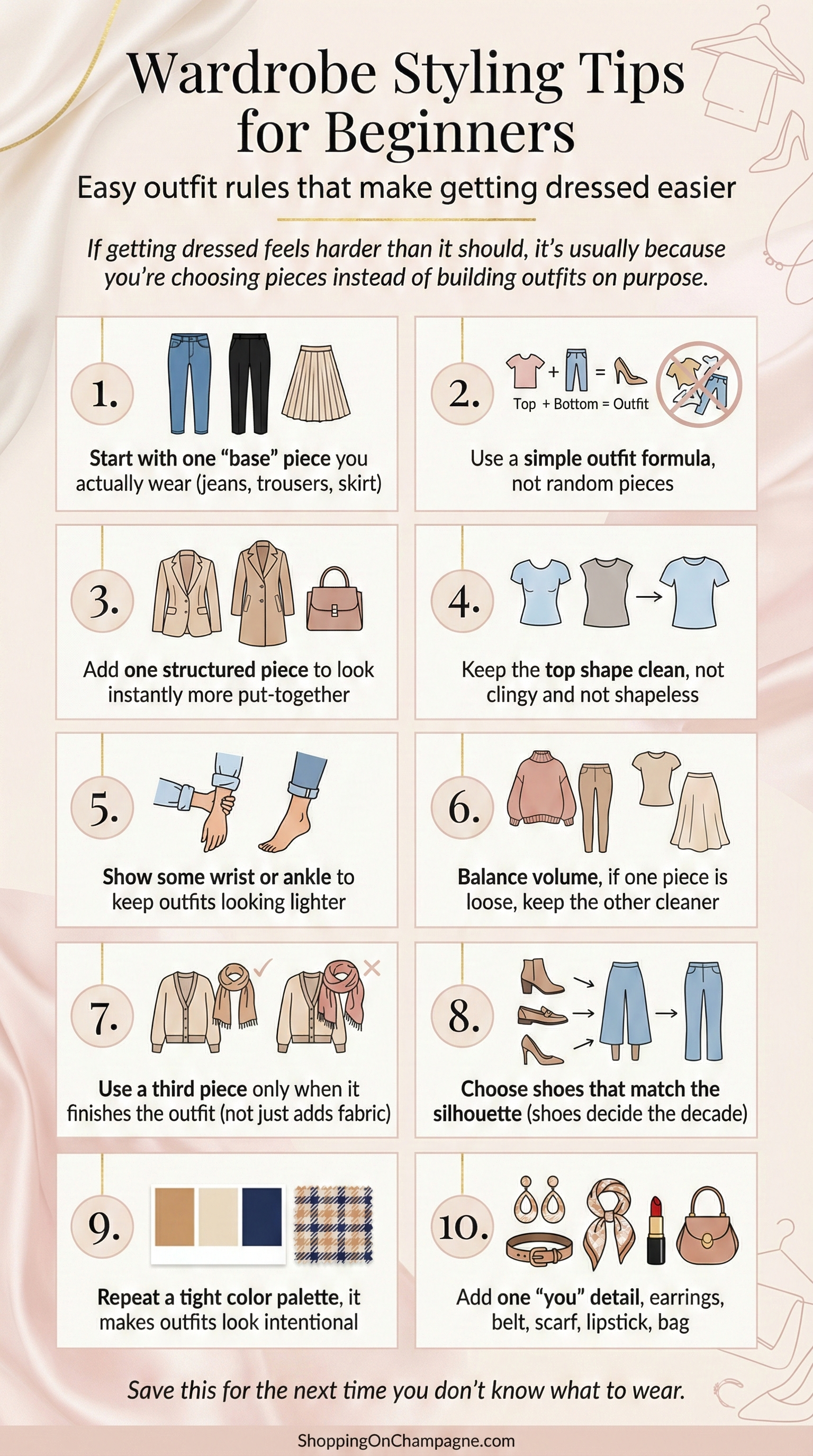
1) Stop trying to “style.” Start building outfits in a structure.
Why it feels hard
When you’re a beginner, you assume stylish women are just naturally good at it. They aren’t. They’re using repeatable structures.
What it causes
When you don’t have structure, every outfit becomes a tiny problem to solve, and your closet starts feeling overwhelming even if it’s full.
What to do instead
Pick 2–3 outfit structures you can repeat all week.
Start with these:
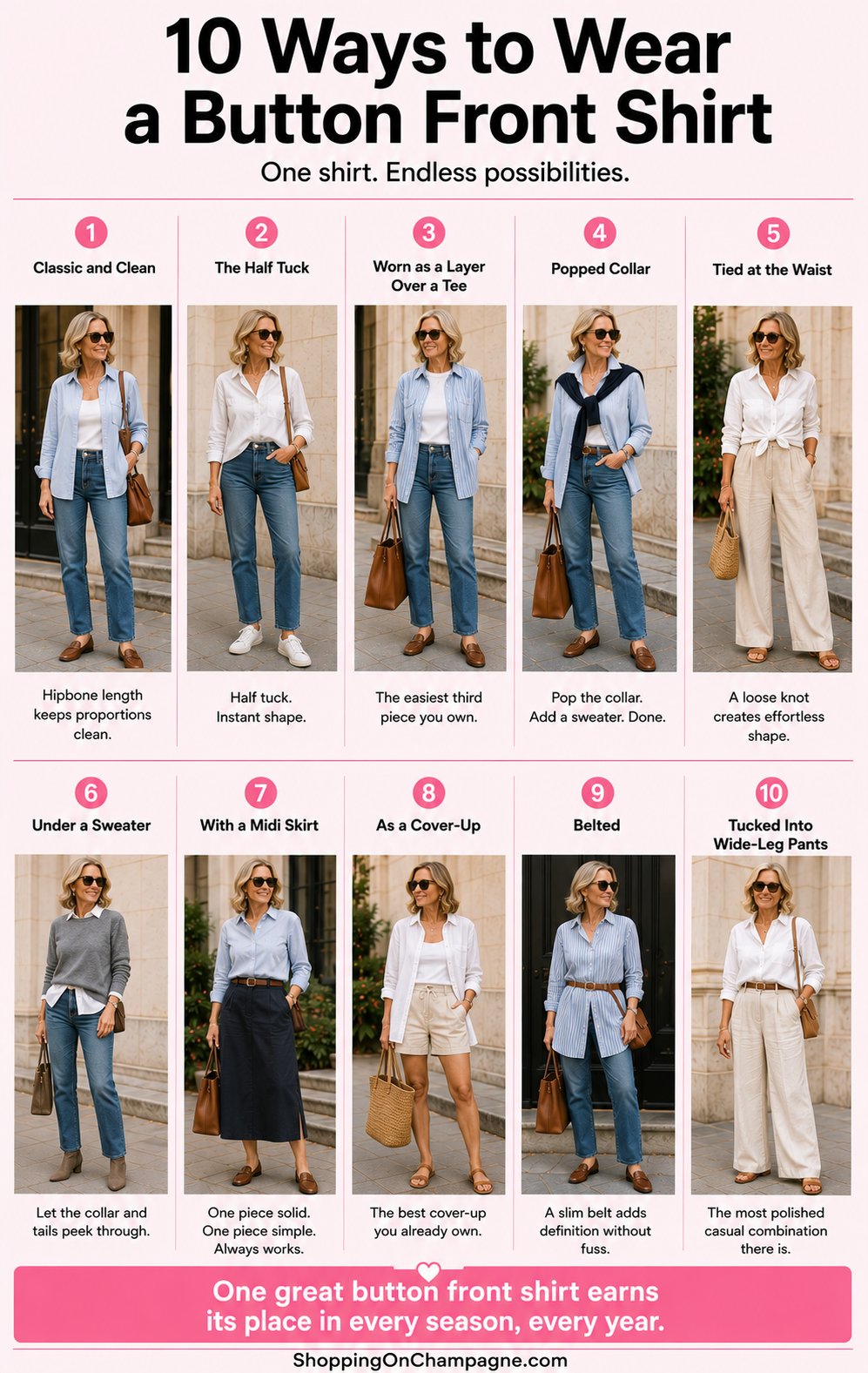
Jeans + top + third piece + shoe
Pants + knit + outer layer + shoe
Skirt or dress + layer + shoe
You’re not “committing” to an outfit. You’re committing to a shape or formula that works for you.
Once the shape is set, you can rotate pieces without thinking so hard.
2) Choose your “default bottom” first.
Why it feels hard
Most people start with a top because it’s the first thing they see. But tops are the hardest category to build around.
What it causes
You end up holding five tops, trying to guess what bottoms might work, and suddenly you’re irritated, tired, and wearing the same thing again.
What to do instead
Pick one bottom you love wearing right now and build around it for a week.
Examples:
Straight-leg jeans
Wide-leg pants
Dark denim
A midi skirt
Black trousers
When your bottom is chosen, your brain relaxes. Now you’re just picking a top that balances it.
3) Use the balance rule. It fixes 80% of “this looks off.”
Why it feels hard
Outfits don’t usually look off because of your body, they look off because everything is pulling in the same direction.
What it causes
You add more fabric to “fix it,” and suddenly you feel heavier, frumpier, and less like yourself.
What to do instead
Use this beginner styling rule every time:
If the bottom is wide, keep the top cleaner.
If the top is oversized, keep the bottom cleaner.
If everything is long, shorten one thing.
If everything is loose, add one structured piece.
Balance makes an outfit look intentional fast.
Related Post: 10 Styling Mistakes That Age Your Outfit (and the Modern Fix)
4) Pick one “finisher” that upgrades casual outfits instantly.
Why it feels hard
Beginners assume style requires better clothes. But most of the time, it’s one finishing detail that changes everything.
What it causes
You feel underdressed in casual outfits, so you overthink, change three times, or avoid leaving the house in what you actually want to wear.
What to do instead
Choose one finisher you’ll use all week:
A structured jacket (denim jacket, blazer, utility jacket)
A clean belt
A simple layered necklace
A modern shoe (loafers, clean sneakers, ankle boots)
A structured bag
You don’t need all five. Pick one. Use it repeatedly. That’s how you start looking consistent instead of scattered.
5) Put your best clothes where you can actually reach them.
Why it feels hard
If your favorites are buried, your closet is basically set up to fail.
What it causes
You default to what’s easiest to grab, not what actually looks good on you. Then you think you “don’t have anything,” but really… you just can’t find what works.
What to do instead
Give your everyday pieces the front-row spots.
Here’s a simple rule:
Front = what you wear weekly
Middle = what you wear sometimes
Back = special occasion or rarely worn
This is wardrobe styling, too. Because a closet that’s organized for real life makes outfits easier.
Related Post: The Closet Refresh Routine to Do Every 3 Months
6) Build outfits in pairs, not singles.
Why it feels hard
A closet full of individual pieces is not a wardrobe. A wardrobe is pieces that work together.
What it causes
You buy “cute tops” and “nice pants,” but they don’t connect, so you still feel stuck.
What to do instead
Any time you love a piece, ask:
What two bottoms does this go with?
What one layer does this work with?
What shoe makes this feel modern?
If you can’t answer that, it’s not an outfit piece yet. It’s a single. And singles are why closets feel full, but outfits feel empty.
7) Make one “easy outfit” you can repeat without guilt.
Why it feels hard
Beginners think repetition is boring. But repetition is actually how you build confidence.
What it causes
You avoid repeating outfits, then end up wearing weird combinations just to feel “different,” and you never feel fully comfortable.
What to do instead
Choose one outfit that works and call it your “easy uniform.”
Examples:
Straight jeans + clean top + jacket + shoe
Wide-leg pants + knit + belt + loafers
Midi skirt + sweater + boots
Wear it again. Swap one thing. Done.
That’s not boring. That’s a system.
8) If outfits keep feeling “meh,” fix the shoes first.
Why it feels hard
Shoes are easy to ignore, but they quietly decide the whole vibe.
What it causes
You can update your jeans or top, but the outfit still feels dated because the shoes are dragging it back.
What to do instead
Pick one modern shoe category and start there:
Loafers or sleek flats
Clean sneakers
Ankle boots with a clean toe shape
A simple sandal when it’s warm
You don’t need trendy shoes. You just need shoes that don’t pull your outfit into a different decade.
9) Plan three outfits once a week. That’s the cheat code.
Why it feels hard
When you’re tired or rushed, you’ll default to what feels safe.
What it causes
You repeat the same looks, ignore half your closet, and feel bored even though you own plenty.
What to do instead
Once a week, plan just three outfits:
One for errands/casual
One for “I want to look polished.”
One for whatever your week includes (dinner, church, travel, etc.)
You’re not making a schedule. You’re pre-deciding options, so you don’t have to think so hard every morning.
Related Post: The Sunday Outfit Plan That Makes Getting Dressed Easy
10) The best beginner tip: stop trying to do it all at once.
Why it feels hard
When you feel behind, you want to fix everything in one day.
What it causes
Overwhelm, frustration, and quitting before anything actually changes.
What to do instead
Pick one tiny focus for the week:
Fix your shoes
Choose your default bottom
Build two outfit structures
Move your favorites to the front
Add one finisher
Small changes create momentum. Momentum creates confidence.
Related Post: How to Feel Put Together When Nothing Fits Like It Used To
Want help with this?
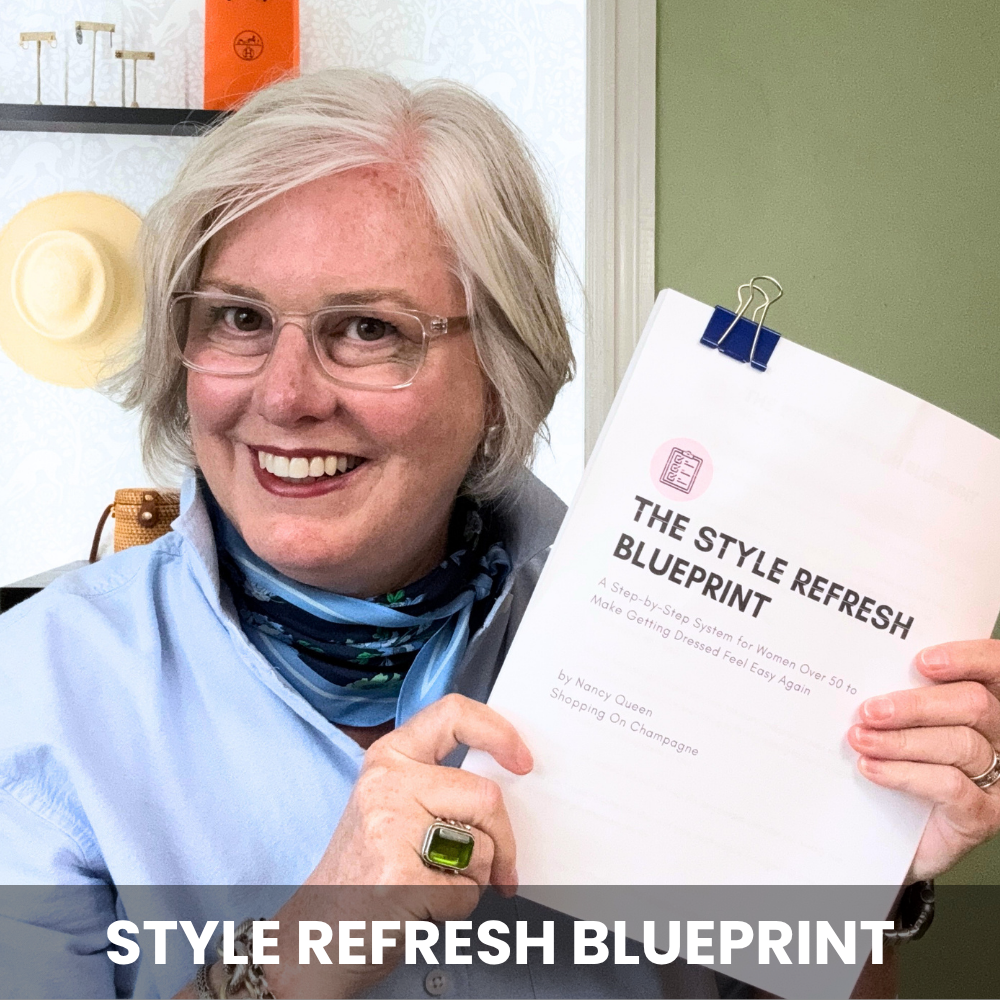
If you are ready to stop guessing and start making real progress, I have tools that will walk you through every step of this journey. Whether you are just getting started, ready to build a wardrobe that truly works for your life, or want a fully personalized experience, I have something for you at every level.
You can find all of them linked below.👇


You have a closet full of clothes and still nothing to wear.
You're holding onto pieces that don't fit, don't flatter, and honestly don't even feel like you anymore. Some still have the tags on. Some belong to a job, a body, or a chapter you've already closed.
👉🏻 You're not alone, and you don't need a total overhaul to feel better about getting dressed.
The Closet Detox is your step-by-step reset. Work through every item with 18 honest questions, a decision guide for the hard ones, and a clear action plan for what comes next.
💌 What's Inside:
✅ 18 questions to ask about every single item in your closet with honest, practical guidance on what to do with each answer
✅ A decision guide for the six hardest pieces to let go of
✅ A What Comes Next action plan - three things to do before you bring in a single new thing, so you never end up back where you started
✅ Live links to the Style Refresh Blueprint and the Champagne Edit - two ways to keep the momentum going
👗 This is for you if...
You have a full closet, but nothing to wear
You've been holding onto things out of guilt, sentiment, or "just in case."
You're done dressing for a body, a job, or a life you no longer have
You're ready to open your closet and actually feel good about what's in there
💡 Why It Works:
Every question is designed to cut through the noise and help you make a clear, confident decision about every single item without second-guessing yourself the whole way through.
Your closet should feel like you. This is where that starts.
This is a digital download. You will receive a PDF immediately after purchase.