
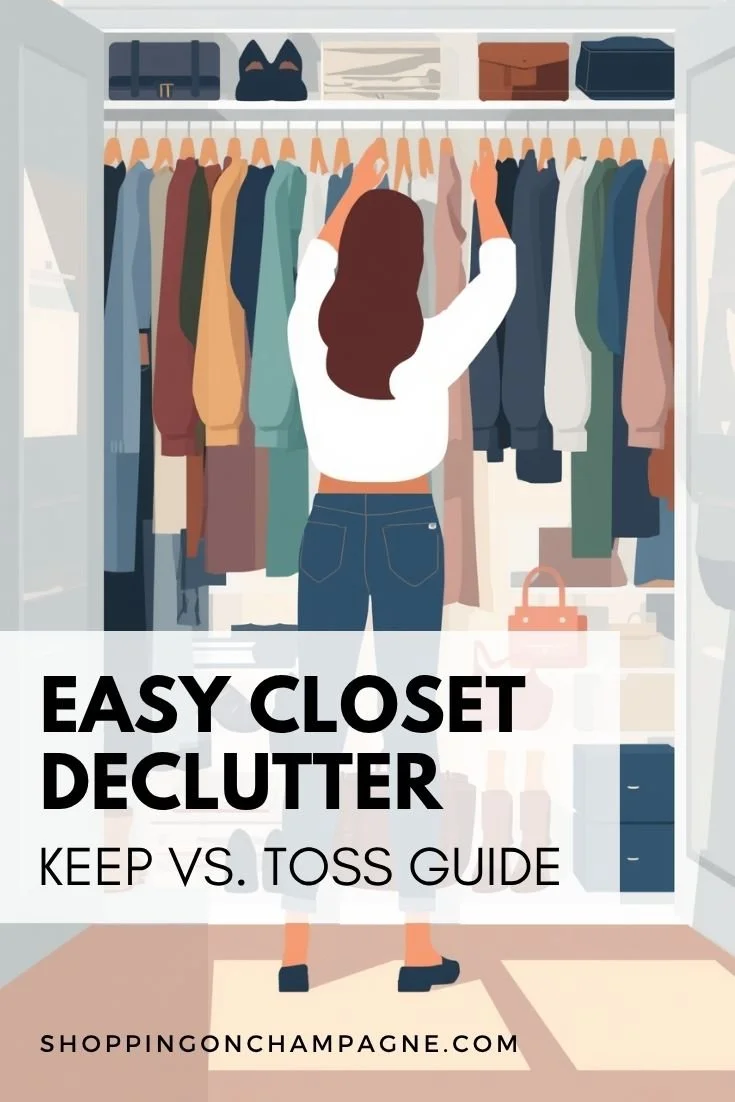
What to Keep, What to Toss: Closet Decluttering Made Easy
If you’ve opened your closet lately and felt that low-level irritation bubbling up, you’re not alone.
It’s not that you don’t have clothes.
It’s that you have too many clothes that aren’t helping you.
Over time, pieces pile up quietly. You keep something because it was expensive. Because it used to fit. Because you might need it. Because you wore it once and got compliments. Because it still technically works.
Years go by. The closet fills. And eventually, you can’t see what actually works anymore.
Especially over 50, this gets complicated. Your body changes. Your lifestyle shifts. Your calendar looks different. But the closet still reflects ten versions of you.
So let’s reset it in a practical way, without turning it into something emotional or overwhelming.
And we’re going to do it in a way you can repeat every six months.

Why Your Closet Feels So Overwhelming
When everything is hanging together, old and new, tight and loose, workwear and vacation pieces, summer dresses and heavy sweaters, your brain has to filter too much.
That filtering creates decision fatigue before you even start getting dressed.
You end up defaulting to the same five outfits because they’re visible and safe.
The solution isn’t to buy better hangers or organize by color. Although that gives everything a clean look, I like to think of it as the final finish, after everything has been reviewed and purged.
The solution is reducing what your eyes have to process.
Twice a year, your closet should hold only what you can actually wear over the next six months.
That means in spring, your fall and winter pieces get packed away. In fall, your spring and summer pieces rotate out.
You’re not getting rid of them. You’re simply moving them out of sight so your closet only shows what you can actually wear right now.
Pack them away clean, label the bin, and revisit them next season.
When your closet only contains relevant pieces, outfits become easier because everything inside is usable.
The 3-Pass Declutter Method
Once you’ve packed up the out-of-season clothes, what’s left in your closet should represent the next three to six months, depending on how often you rotate your wardrobe.
Now you’re looking at a smaller, more realistic group of clothes. And this is where decisions feel more manageable.
This is also where most women get stuck. They try to evaluate every single piece in one emotional sweep.
That’s usually when overwhelm sets in.
Instead, we’re going to move through this in three simple passes.
Pass One: The Immediate No
This is fast. No overthinking.
If it’s stained, stretched out, pilled beyond saving, or clearly outdated in a way you would never wear again, it leaves.
You don’t need to justify it. If you wouldn’t buy it today, it doesn’t earn space.
Bag it.
Pass Two: The Honest Fit Check
This is where emotional permission matters.
If something technically fits but feels tight, awkward, or exposes parts of your body you don’t feel comfortable highlighting, it is not serving you.
If it’s one of those pieces you put on and immediately take off, that’s a clue it doesn’t belong in your wardrobe.
Clothes that make you feel self-conscious create constant background stress. You won’t reach for them.
If you are keeping something “for when I lose weight,” give yourself a container for it. One small bin. Not half your closet.
It’s okay to keep a few things for later. But when they take over the closet, they make it harder to dress the body you have today.
Pass Three: The Lifestyle Audit
Look at what remains.
Does this reflect how you actually live right now?
If you no longer attend corporate meetings, you don’t need twelve blazers.
If you rarely go to formal events, you don’t need six evening dresses.
If your life is more casual, your closet should support that.
The goal is alignment. When your closet reflects your real life, getting dressed stops feeling like a performance.
What to Pack Away (Not Donate)
Seasonal storage is not a decluttering failure.
It’s strategic, and it’s something I’ve been doing since I was a child.
Heavy coats, thick sweaters, boots, holiday pieces, and true seasonal items should be cleaned and packed into clear bins.
Label them by season. Store them out of sight.
When the next season comes, you’ll reassess with fresh eyes.
This approach helps keep your wardrobe simple and flexible, so you don't have to make permanent decisions right now.
How to Avoid Donation Regret
If you’ve been making good progress up until this point, this is where things might slow down.
But I want to help you push past that!
Here’s what happens.
You’re holding a piece and thinking,
“What if I need this?”
“What if it fits me again?”
“What if this comes back in style?”
“This used to be my favorite.”
Those thoughts are completely normal. Of course they are. Many of these pieces have history. Some represent a season when you felt different in your body. Some were expensive. Some remind you of who you used to be.
But here’s what matters more than the memory of the piece: are you actually wearing it now?
If you haven’t reached for it in the last year, if you have to convince yourself it might work someday, or if you feel a little tense just looking at it, that’s useful information.
You don’t have to make a dramatic decision. You can create a small “revisit” bin and put those pieces there. Seal it. Date it. If you don’t open it in six months, you’ll know you were holding onto the idea of the item more than the item itself.
That way, you’re not forcing yourself into regret. You’re giving yourself space to be honest.
And that honesty is what clears the closet.
Here’s how to reduce that fear.
Create a “decision bin.”
Anything you’re unsure about goes in one container. Seal it. Write today’s date on it. Store it out of sight, perhaps in the garage, basement, attic, or a spare bedroom.
If you haven’t reached for those pieces in six months, you have your answer.
This removes pressure while keeping momentum.
The Quick Reset Timeline
At this point, your closet is lighter. You’ve removed the obvious no’s. You’ve packed away the opposite season. You’ve made the harder decisions.
Now the goal is to finish the reset so it doesn’t linger for days.
If you leave half-folded piles and donation bags sitting around, your brain keeps carrying it. That’s when it starts to feel exhausting instead of satisfying.
So give this final stretch a clear container.
Set aside about two hours.
An hour to move through the clothing.
Thirty minutes for shoes and bags.
Thirty minutes to rehang, fold, and put everything back neatly.
Not because we’re rushing.
Because contained effort feels lighter than open-ended effort.
When there’s a beginning and an end, you’re far more likely to complete it — and completion is what makes the closet feel different when you open it tomorrow.
Give yourself two hours.
One hour for clothing.
Thirty minutes for shoes and bags.
Thirty minutes for folding, rehanging, and packing away the season you’re leaving.
You don’t need an entire weekend. You need a focused window.
Put on music. Open a window. Keep it moving.
The goal is clarity, not perfection.
What You Should See When You’re Done
When you open your closet, you should see:
Pieces that fit your current body
Clothes that support your real lifestyle
Colors that mix easily
Enough space between hangers to slide items freely
No guilt pieces staring back at you
You should be able to build three outfits without thinking too hard.
If you can do that, your closet is working.
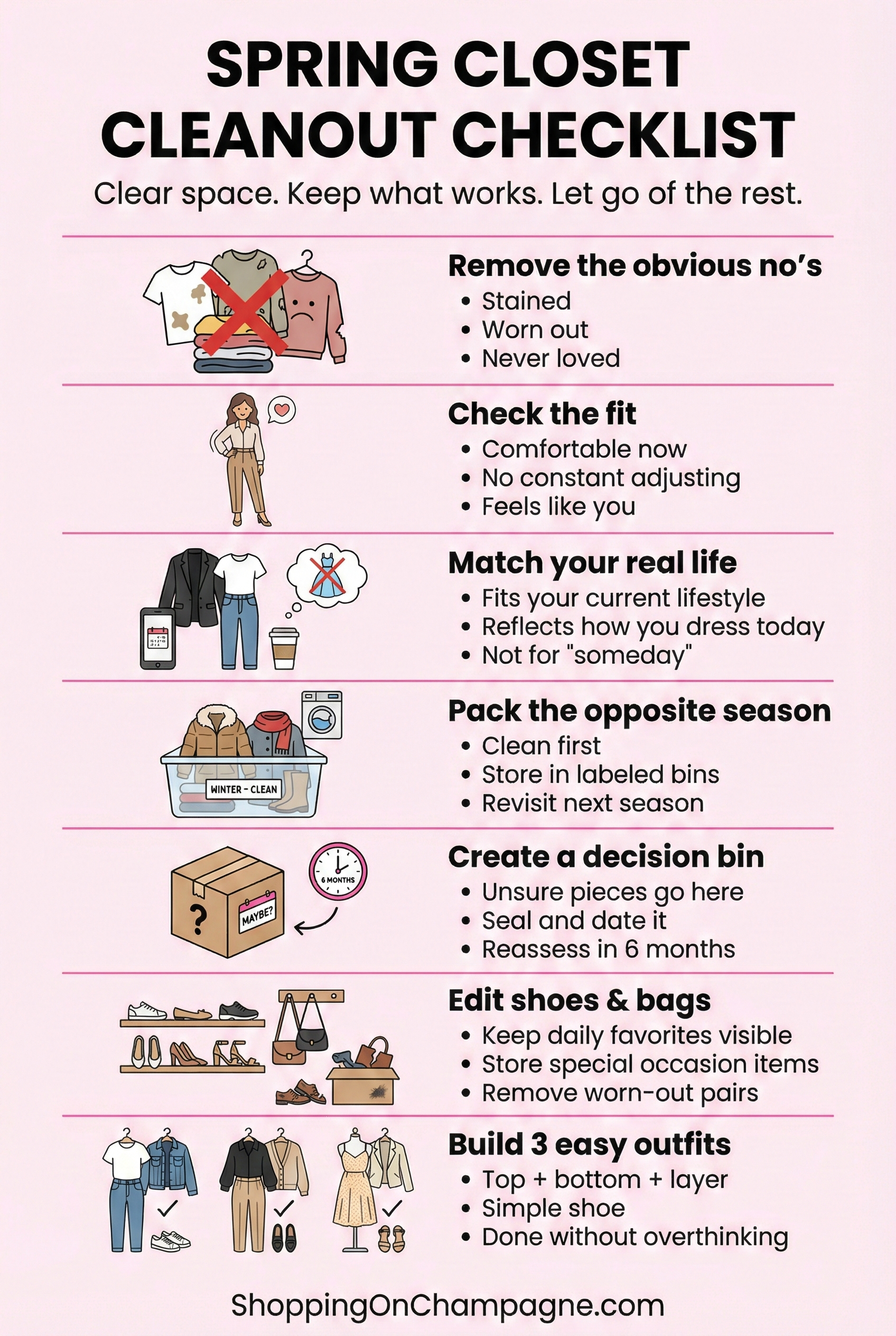
A Simple Spring Closet Checklist
Clothing
□ Remove obvious no’s
□ Try on questionable fit pieces
□ Separate seasonal items
□ Pack away the opposite season
□ Create one decision bin
Shoes
□ Remove worn-out pairs
□ Keep only what works with current outfits
□ Store off-season footwear
Accessories
□ Keep daily-use bags visible
□ Store special occasion items separately
□ Remove broken or unused pieces
Final Step
□ Build three complete outfits from what remains
If that part feels easy, you did it right.
The Rhythm That Keeps It Manageable
Do this in early spring.
Do it again in early fall.
That’s it.
When you build this rhythm into your year, clutter never gets decades-deep again.
Your closet evolves with you instead of fighting you.
Want help with this?
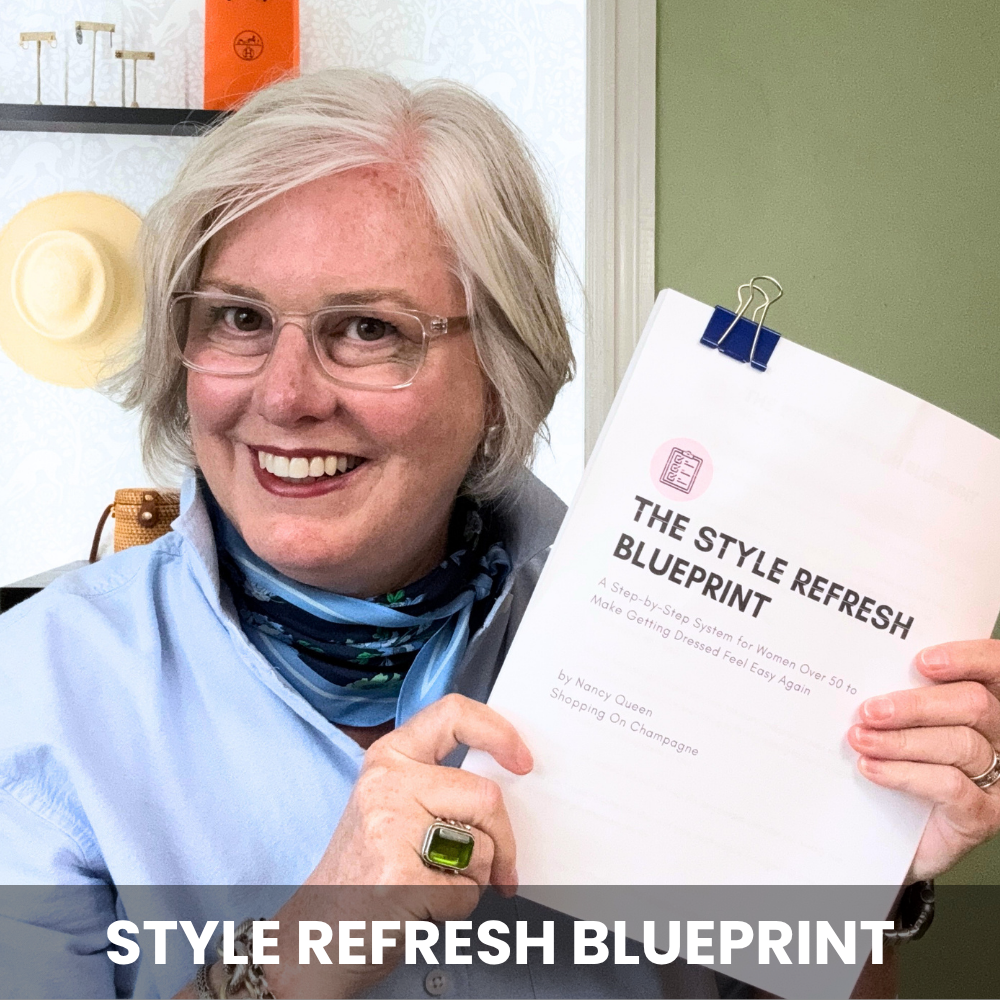
If you are ready to stop guessing and start making real progress, I have tools that will walk you through every step of this journey. Whether you are just getting started, ready to build a wardrobe that truly works for your life, or want a fully personalized experience, I have something for you at every level.
You can find all of them linked below.👇


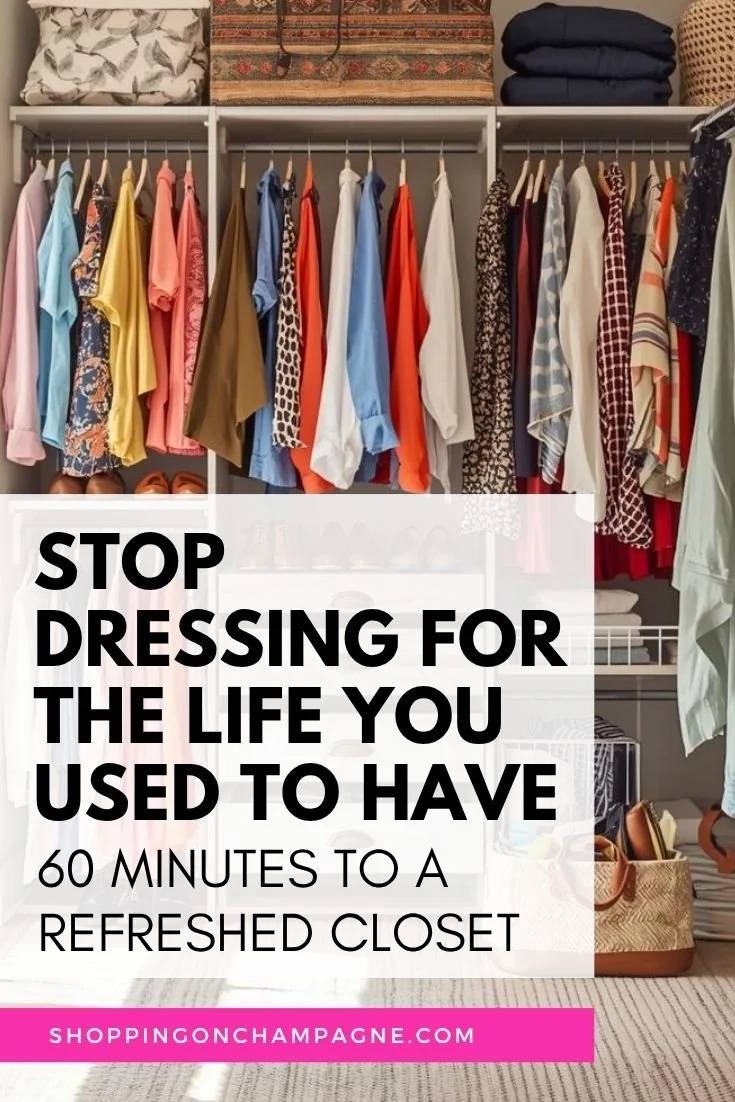
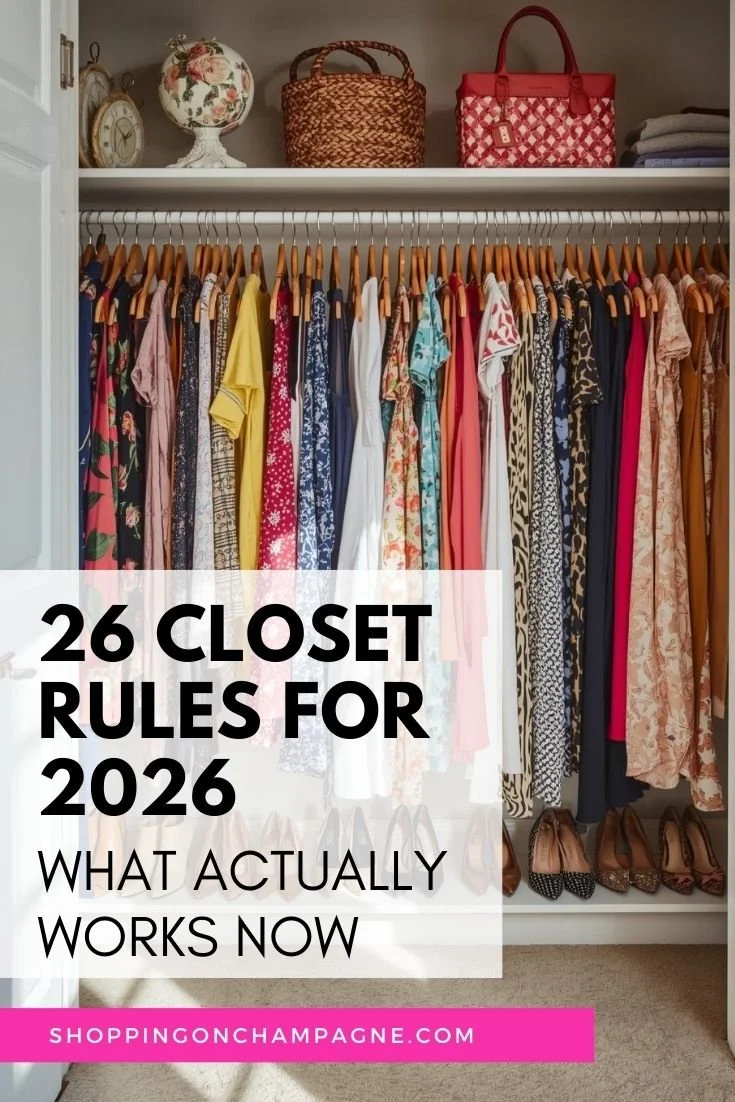

You have a closet full of clothes and still nothing to wear.
You're holding onto pieces that don't fit, don't flatter, and honestly don't even feel like you anymore. Some still have the tags on. Some belong to a job, a body, or a chapter you've already closed.
👉🏻 You're not alone, and you don't need a total overhaul to feel better about getting dressed.
The Closet Detox is your step-by-step reset. Work through every item with 18 honest questions, a decision guide for the hard ones, and a clear action plan for what comes next.
💌 What's Inside:
✅ 18 questions to ask about every single item in your closet with honest, practical guidance on what to do with each answer
✅ A decision guide for the six hardest pieces to let go of
✅ A What Comes Next action plan - three things to do before you bring in a single new thing, so you never end up back where you started
✅ Live links to the Style Refresh Blueprint and the Champagne Edit - two ways to keep the momentum going
👗 This is for you if...
You have a full closet, but nothing to wear
You've been holding onto things out of guilt, sentiment, or "just in case."
You're done dressing for a body, a job, or a life you no longer have
You're ready to open your closet and actually feel good about what's in there
💡 Why It Works:
Every question is designed to cut through the noise and help you make a clear, confident decision about every single item without second-guessing yourself the whole way through.
Your closet should feel like you. This is where that starts.
This is a digital download. You will receive a PDF immediately after purchase.