
How to Edit Your Closet and Start Fresh
Let me just start by saying, I will not be telling you to throw away your entire wardrobe. But I do want to share a story about what happened to me.
When I moved from Newport Beach to Pennsylvania, I stood in my closet and felt something I had not expected: dread.
I had been a capsule wardrobe person my entire adult life. I knew how to build a wardrobe. And yet, surrounded by vibrant Lilly prints and pops of color that belonged to a very specific California life, I could not figure out what to keep.
Because the question was not really about the clothes.
The question was: who am I now, and what does her life actually look like?
If you have ever stood in front of a full closet and felt nothing but overwhelmed, I want you to know that is not a you problem. It is an alignment problem. Your wardrobe simply does not match the life you are living now. And that is something we can fix.
This is how I approach a real closet edit, not the kind where you pull everything out and put it all back in slightly different piles, but the kind that actually changes how you feel every morning when you get dressed.

Start Here: Get Clear on the Life You Are Actually Living
Before you touch a single hanger, sit down and think about your real life. Not the life you used to live. Not the fantasy version where you travel to Tuscany every spring. Your actual, right-now life.
Where do you go most days?
What do you do when you get dressed in the morning?
What does a typical week actually look like?
This matters because most closets are full of clothes for a life that no longer exists. Career clothes for a job you retired from three years ago. Occasion pieces for events that never quite materialize. A size you are holding for "just in case."
None of those things are serving you right now. And keeping them is making it harder to see what actually does.
Write it down. A simple list. Monday through Sunday, what do you actually do, and what do you actually need to wear? That list becomes your filter for everything that follows.
The Edit: What Stays, What Goes
Once you know what your real life requires, you can start looking at your clothes through that lens. Pull everything out of one section at a time — do not try to do the whole closet in one session unless you have a full day and a lot of energy.
Category by category is gentler, easier to accomplish, and more effective.
For each piece, ask yourself three questions:
Does it fit my body right now? Not the body you had five years ago. Not the body you are working toward. The body you are living in today. If it does not fit now, it cannot serve you now.
Does it fit my life right now? Apply that list you just made. If you have nowhere to wear it in a typical week, it is not a wardrobe piece. It is a storage problem.
Do I actually reach for it? Not "could I wear this" or "I might wear this someday." Do you actually put it on?
If a piece fails two of those three questions, it goes. If it fails all three, it goes immediately, and you do not need to think about it anymore.
When You Cannot Decide: Let the Data Tell You
This is where most closet edits stall. You pick something up, you remember where you bought it, how much you paid for it, and the occasion you imagined wearing it to.
And you put it back.
I want you to try something instead. It is called the Hanger Trick, and it removes all of that emotion from the equation.
Turn every hanger in your closet backwards so the hook faces you instead of the wall. Then go live your life. Every time you wear something and put it back, hang it the normal way. After 30 to 60 days, look at what is still backwards.
Those backwards hangers are your answer.
Not your feelings about the piece, not what you paid for it, not the story you have attached to it. The data.
You did not reach for it once in an entire month or two. That is the information you needed, and now you have it without having to talk yourself into or out of anything.
The Hanger Trick works because it bypasses the voice in your head that wants to keep everything just in case. It replaces "but I might wear this" with actual evidence. And evidence is a lot easier to act on than emotion.
The Pieces That Are Hardest to Let Go
There are a few categories that almost every woman holds onto longer than she should, and I want to name them so you can recognize them in your own closet.
Sentimental pieces you never wear. The dress from a special occasion. The blazer from your first big job. The piece that belonged to your mother. These matter. But they are not wardrobe pieces if they never leave the hanger. Consider displaying them, framing them, or storing them somewhere meaningful — but stop letting them take up prime closet real estate while making you feel guilty every time you walk past them.
Investment pieces that no longer fit or suit you. You spent real money on it. I know. But keeping something that does not fit is not protecting your investment. It is just holding onto the ghost of it. Let it go to someone who will actually wear it.
The aspirational size. I am going to say this gently, and I mean it with complete kindness: dress for the body you have right now. That body deserves a beautiful, functional wardrobe today. Not after. Not when. Now.
Career clothes from a chapter that has closed. If you are retired or working from home and your closet is still full of structured blazers and formal trousers, that mismatch is part of why nothing feels right. Your life changed. Your wardrobe is allowed to change with it.
What to Do With What You Are Releasing
Once you have pulled pieces out, do not let them sit in bags in the corner for six months. That is just a different version of the same problem. Make a plan before you start so the pieces have somewhere to go.
Consignment shops are a good option for quality pieces in good condition. You can also sell them on ThredUp or Depop.
Donate to organizations that dress women for job interviews or professional re-entry.
Offer pieces to friends or family who would actually wear them. And yes, some things just need to go in the trash.
The point is to move them out of your space so your closet can breathe.
What You Are Left With
After a real edit, your closet will probably look a little sparse. That is not a problem. That is the point.
Now you can look in your closet, see the pieces you love, and breathe a sigh of relief.
What you are looking at now is your actual foundation: the pieces that fit your body, fit your life, and that you genuinely reach for. Everything in that closet is earning its place. That is a completely different feeling than what you started with.
From this foundation, you can start to see the gaps clearly. Not the "I have nothing to wear" panic, but the specific, practical gaps. Maybe you need more casual tops that work with your lifestyle. Maybe you have plenty of bottoms but nothing to layer over them. Maybe your shoes are not connecting with anything you own.
Those gaps are much easier to shop for with intention when you can actually see your wardrobe clearly.
Want help with this?
If you are ready to stop guessing and start making real progress, I have tools that will walk you through every step of this journey. Whether you are just getting started, ready to build a wardrobe that truly works for your life, or want a fully personalized experience, I have something for you at every level.
You can find all of them linked below.👇
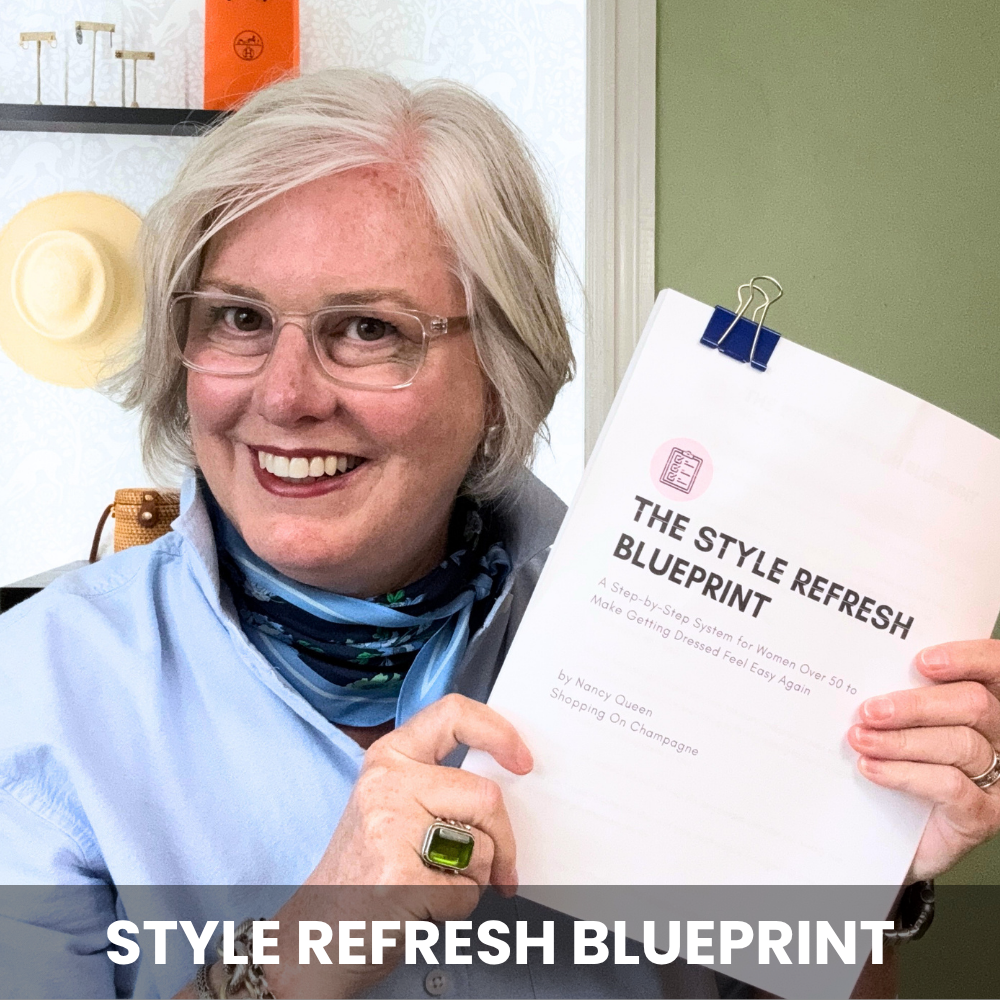

Your closet should feel like a reflection of who you are right now. Not who you used to be. Not who you think you should be. You, as you are today, living the life you are actually living.
That version of you deserves a closet that works for her.
Let's get her one.


You have a closet full of clothes and still nothing to wear.
You're holding onto pieces that don't fit, don't flatter, and honestly don't even feel like you anymore. Some still have the tags on. Some belong to a job, a body, or a chapter you've already closed.
👉🏻 You're not alone, and you don't need a total overhaul to feel better about getting dressed.
The Closet Detox is your step-by-step reset. Work through every item with 18 honest questions, a decision guide for the hard ones, and a clear action plan for what comes next.
💌 What's Inside:
✅ 18 questions to ask about every single item in your closet with honest, practical guidance on what to do with each answer
✅ A decision guide for the six hardest pieces to let go of
✅ A What Comes Next action plan - three things to do before you bring in a single new thing, so you never end up back where you started
✅ Live links to the Style Refresh Blueprint and the Champagne Edit - two ways to keep the momentum going
👗 This is for you if...
You have a full closet, but nothing to wear
You've been holding onto things out of guilt, sentiment, or "just in case."
You're done dressing for a body, a job, or a life you no longer have
You're ready to open your closet and actually feel good about what's in there
💡 Why It Works:
Every question is designed to cut through the noise and help you make a clear, confident decision about every single item without second-guessing yourself the whole way through.
Your closet should feel like you. This is where that starts.
This is a digital download. You will receive a PDF immediately after purchase.